
The fish you can't reach with a normal cast
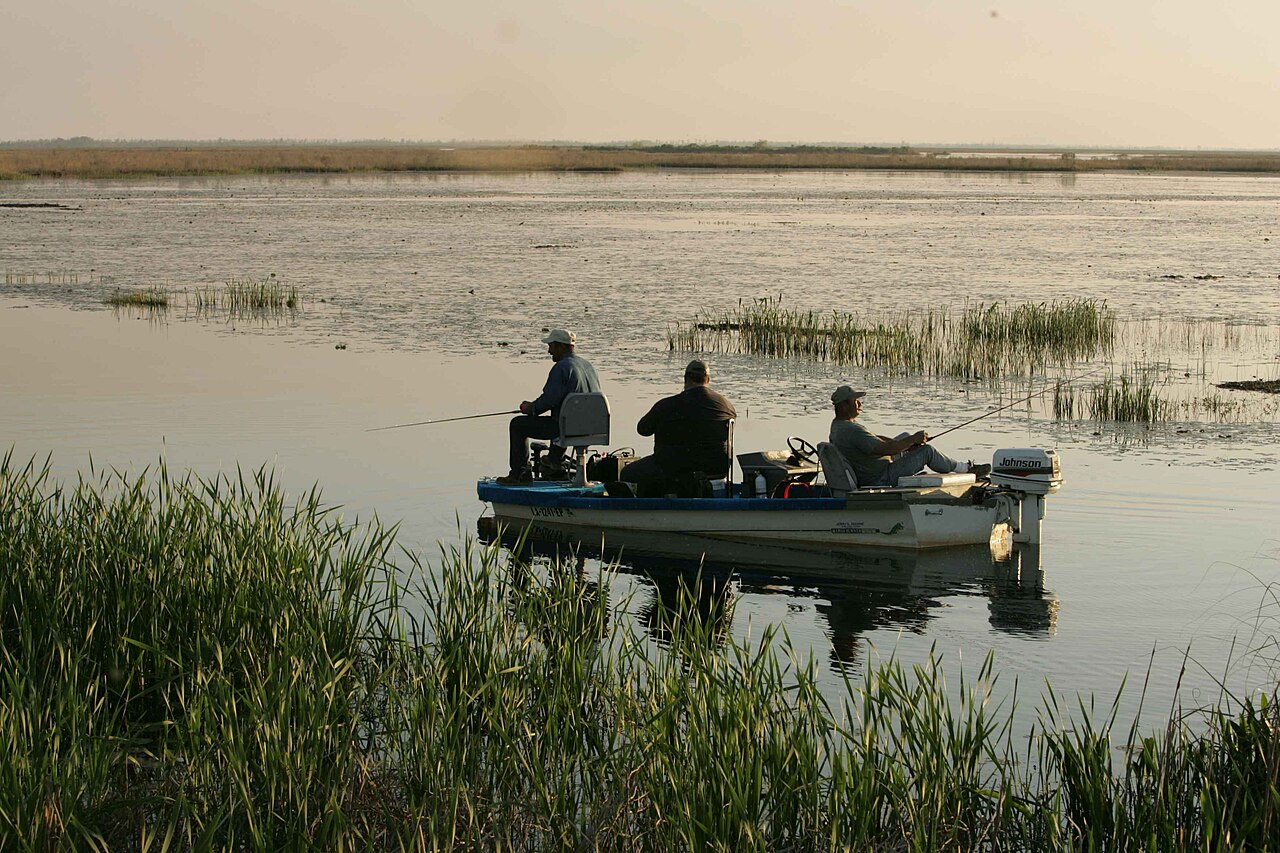
The big bass in the lake is often sitting ten feet from your boat, tucked under a dock or buried in a laydown, and a normal cast will never reach it. The lure sails over the cover or splashes down on top of it, and the fish never sees a bait. That is the problem flipping and pitching solve. Both are short-range casts built to drop a bait straight down into heavy cover, quietly, on a spot the size of a dinner plate. Flipping covers the closest targets, out to about fifteen feet. Pitching stretches the same idea to about fifty feet. Learn both and the cover other anglers cast past becomes the water you fish best.
Flipping and pitching are two different casts
Flipping is the close-range one. You pull a fixed length of line off the reel, about one rod length, keep the reel engaged, and swing the bait out while your free hand feeds the line back through the guides. The bait travels on a short pendulum and drops almost straight down. The range is short, under fifteen feet, but the entry is the quietest cast in bass fishing.
Pitching is the longer-range cousin. You hold the bait in your free hand, open the spool, and swing it underhand like a pendulum, thumbing the spool to control the line as the bait flies. The bait travels farther, fifteen to fifty feet, and you can steer it under a low dock or into a gap between branches that a normal cast could never thread. Most anglers pitch far more than they flip, because pitching covers more water faster.
The gear, kept short
Rod. A seven-and-a-half-foot heavy-power rod is the standard flipping stick. Pitching rods run a little shorter, around seven feet. A fast-action tip is the common advice, because the tip loads and flings the lure on a short swing. Elite pro Mark Menendez fishes a moderate-action rod instead and argues it loses fewer fish, so the action is a genuine split. Start with fast.
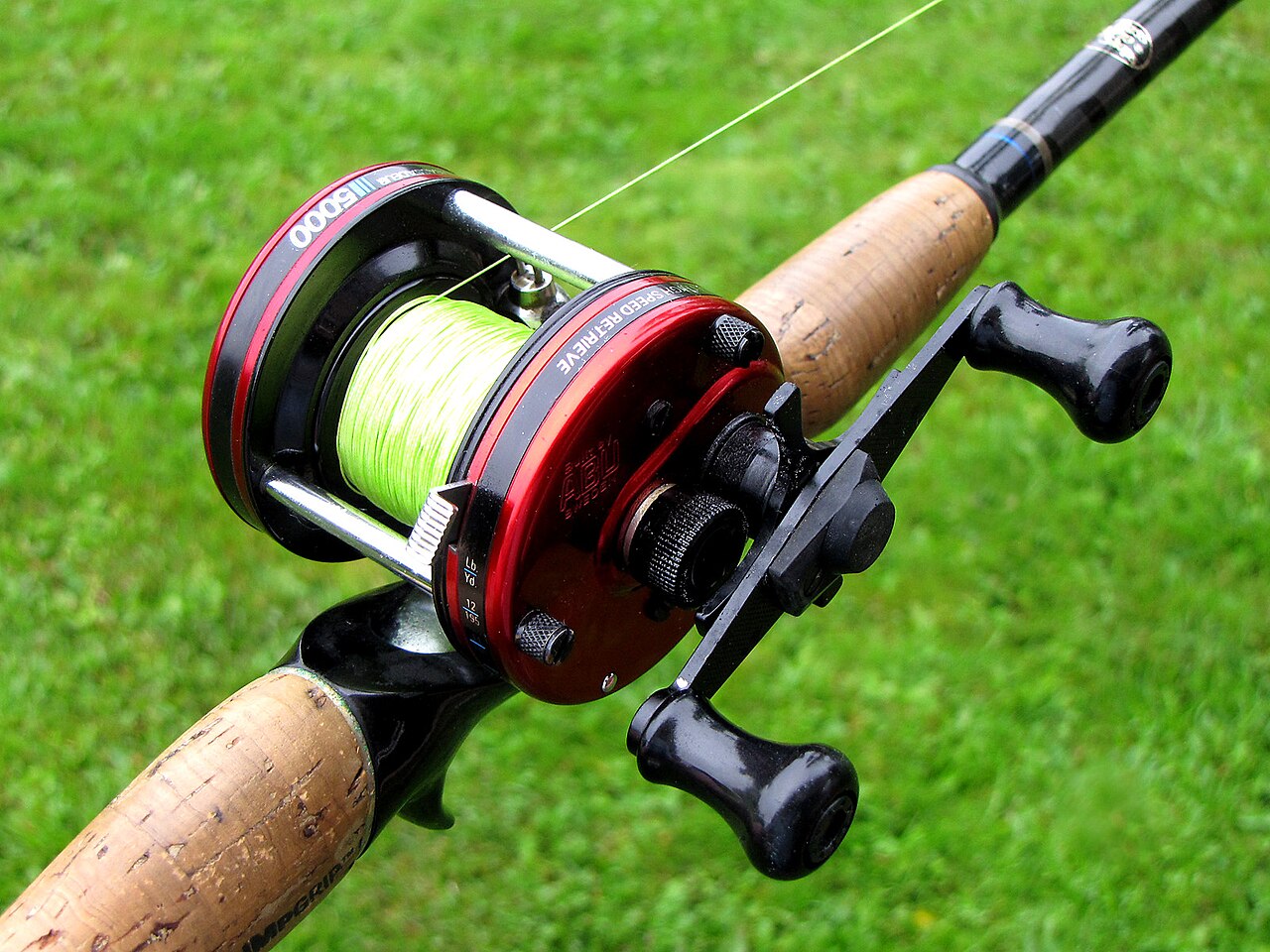
Reel. A baitcaster with a fast retrieve, around 7:1 or higher, because the job is picking up slack line fast after the pitch, not reeling the bait in.
Line. Fifty to sixty-five pound braid for grass and mats, because braid saws through vegetation on the hookset. Seventeen to twenty-five pound fluorocarbon for wood, docks, and clear water, where braid digs into wood and catches on metal. Our Best Braided Line for Bass guide covers the braid end in full, and our Best Fluorocarbon Leader Line for Bass guide covers the fluoro end. Some anglers run fluorocarbon almost everywhere. The situational rule covers most water.
Lures and weights. Jigs, creature baits, and Texas-rigged soft plastics do nearly all the work. A Texas rig is a soft plastic bait threaded on a hook with a sliding bullet weight in front of it, and pegging means fixing that weight tight against the hook with a small rubber stop so it does not slide away in the cover. Weights run three-eighths to one-half ounce for everyday flipping. Punching through a thick mat takes one to two and a half ounces of tungsten. Our Best Jigs for Bass guide covers jig selection in detail. Never pitch a crankbait or anything with exposed treble hooks. It snags in the cover, and a treble hook swinging back toward your hand is a bad idea.
How to flip
Pull about a rod length of line off the reel with your free hand and hold it near the reel. Drop the rod tip and swing the lure forward in a low pendulum, letting the line slip through your fingers as the bait travels. The reel stays engaged the whole time. To make the next flip, pull the line back out with your free hand instead of reeling, which keeps the sequence fast.
Keep the line short. Menendez names too much line as one of the three biggest beginner mistakes: slack line on the hookset is all a big fish needs to get off. Flips longer than fifteen feet are the second mistake on his list, so pitch anything farther than that.
How to pitch
Hold the bait in your free hand with the rod tip up and the lure hanging about even with the reel. Drop your hand and the rod tip together, then lift the tip quickly so the lure swings low and forward. Release the lure as the rod comes up, and feather the spool with your thumb the whole way so the line feeds out smoothly.
Turn the reel sideways as you pitch, rolling your wrist over. With the reel turned, the line comes off the spool more easily, which gives you more distance and control on longer pitches.
Keep your eye on the target, not the bait. Beginners who watch the lure in the air miss the target and splash the entry.
The entry is the whole technique
A loud splash spooks a bass in thick cover, so lower the rod tip at the last second and let the bait slide in instead of plopping down. Pitch low, only a few inches above the surface, so the bait stays quiet and slips under low cover on the way in. If you hear the lure hit the water, you are doing it wrong.
On a lily pad field, flip the bait onto a pad first, then slowly pull it into the nearest hole and let it fall. Fish hit it on the drop.
Where to aim
Docks, laydowns, grass mats, brush piles, lily pads, and flooded bushes are the targets. Fish the cover from the outside in: the visible outer limbs first, then the submerged ends, then the heart of the tree, hitting each lane from more than one angle. The bushiest ends hold the most fish. Our Fishing Docks and Laydowns for Bass guide covers reading a laydown in full.
Fish the cover that has something under it. A grass bed over a drop, a ditch, or hard bottom holds fish. A flat stretch of identical grass tends not to. Work a productive spot thoroughly once you get bit, and circle back an hour later. A fish that ignored the bait the first time may eat it on the second.

The bite comes on the fall
Most flipping and pitching bites happen while the bait is falling, and many are never felt. The line just jumps, twitches sideways, or goes slack. High-visibility fluorocarbon helps, because you can see the line move even when you feel nothing. Watch the line from the moment the bait lands until it reaches the bottom, and set the hook on any resistance or any movement at all. If the bait feels like it picked up a leaf, set the hook. A leaf never fights back, but a bass does.
Let the bait fall on a semi-slack line, just enough slack for the bait to drop straight down next to the cover without swinging back toward you, and twitch it once it hits the bottom. Around 68 to 70 degrees, shake the bait a few times and let it fall. As the water warms, soak the bait longer, up to fifteen or twenty seconds, when you are confident a fish is holding there.
Mistakes that cost beginners fish
Too much line. Short line is the whole point of flipping, and carrying too much of it leaves slack on the hookset.
A loud entry. Slow the bait before it lands. A loud splash spooks every fish in the cover.
Tightening the reel to stop backlashes. Pitching is all about thumb control, and only practice trains it. A reel tuned so it cannot backlash is set too tight to pitch well. Set the spool tension so the spool is nearly done turning when the bait hits the water, then let your thumb do the rest. The cheap trick: strip off your longest pitch plus about fifteen feet of line, then put a strip of electrical tape across the spool. A backlash can only go as deep as the tape.
Handling the bait wrong. Hold the bait behind the hook, not on top of it. A torn bait lets the hook point slide out and stab the hand holding it.
Practice in the yard before you fish it
Set five to seven bowls or paper plates on the ground, two to four feet apart and five to twenty feet away, and stand on a cooler or an upside-down bucket to mimic the height of a boat deck. Practice landing the bait in a plate without a clunk. Use a practice plug with no hook, and start with a heavier bait, one-half to three-quarters of an ounce, because the weight makes the pendulum easier to feel. Size down once the motion is smooth. A few short sessions in the yard will save you a full day of frustration on the water.
One counter-voice from the forums is worth keeping: flipping is laborious, a hundred short casts into heavy cover, and not every angler loves it. Some would rather frog a mat or soak a Senko first. But the anglers who put in the practice catch the fish other anglers cast past, and the first time a bait slides silently into a dock slip and the line jumps on the fall, the work makes sense.
The bottom line
Flipping is the close cast, pitching is the longer one, and both exist to put a bait quietly into cover a normal cast cannot reach. Heavy rod, fast reel, braid for grass and fluorocarbon for wood, a jig or a Texas-rigged creature bait, and a quiet entry. Watch the line on the fall and set the hook on anything. Practice it in the yard until the pendulum feels automatic, then take it to the nearest dock and start at the outside edge. The fish are in there.