Braid is the strongest line in your tackle box and the least forgiving. The hook sets feel like someone flipped a light switch. It also slips through a sloppy knot like it was greased, digs into a loosely wound spool, and turns a windy afternoon into a bird's nest if you buy the wrong test for a spinning reel.
A few hundred real angler reports (fishing forums, long-term owner reviews, lab tests, tackle blogs) narrow the field fast. Five braids survive their critics. Sufix 832 is the one most anglers would keep if they could only keep one. Everything else wins a specific job.
The quick answer
Buy Sufix 832. Thirty-pound on a baitcaster covers most bass fishing; 15-pound on a spinning reel covers the rest. If you frog heavy mats, spool 50-pound PowerPro instead and never look back. For long casts on spinning gear, Daiwa's J-Braid Grand X8 is the distance king. On a budget, KastKing SuperPower fishes fine at a third of the price. And if finesse is your whole game, Seaguar Smackdown is the premium pick. One caution below.
Then comes the leader question, covered in detail below.
The picks
Sufix 832 Advanced Superline ~$18–30
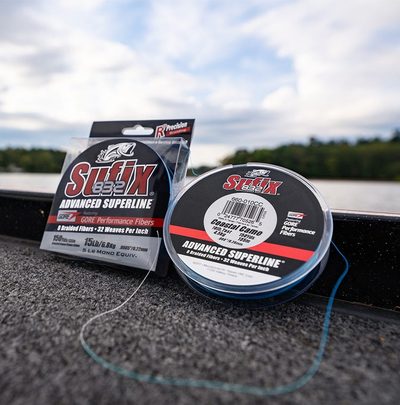
Ask what braid to buy and the same answer comes back from too many directions to ignore. Eight carriers of Dyneema plus one Gore fiber. The Gore strand is the abrasion story, and the result is the toughest 8-carrier braid in this guide. Owners report three seasons on the same spool, and PowerPro loyalists keep switching their reels over.
It holds color better than PowerPro and runs quiet through guides. It also breaks well above its rating, which is a buying rule for the whole category: buy by diameter, not by the number on the box. Twenty-pound 832 breaks closer to forty, so match the diameter to the job.
Two downsides: the color fades eventually (every braid does), though owners call it cosmetic; and about one in five long-term reviews mentions fraying around sharp rock or wood. Real but situational, and lost fish from it are rare in the reports.
Not for: anglers who want the absolute cheapest spool. That is the next category down.
PowerPro ~$15–25
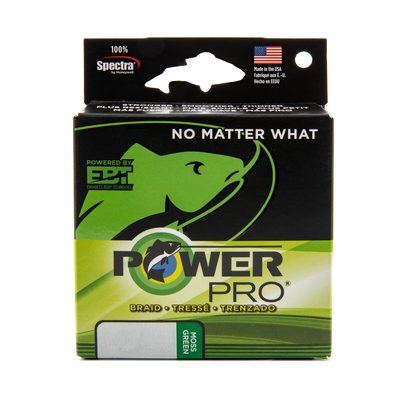
Twenty years of forum threads, and PowerPro is still the default answer for one job: hauling bass out of the thickest stuff that grows. Fifty to 65-pound straight braid, no leader, frog or punch rig tied direct. Owners bend hooks before the line gives, and it is the cheapest per yard of the major brands.
Two realities, both well documented. The color fades faster than any braid here. Cosmetic, owners say, and half of them re-dye the last few feet with a marker. And light tests on spinning reels tangle: 4-carrier braid in 10-pound on a spinner is a wind-knot machine. Step to 15 or 20-pound, or move to the 8-carrier Super 8 Slick V2 for finesse work. It will never out-cast the J-Braid. None of that matters in a frog mat.
Not for: light-line spinning or anglers chasing maximum casting distance. That is the J-Braid's job.
Daiwa J-Braid Grand X8 ~$20–30
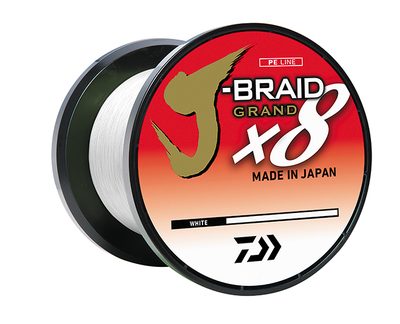
In a head-to-head casting contest, 10-pound J-Braid Grand outcast the field, then pulled 26 pounds on an FG knot, the strongest 10-pound braid the testers had measured. TackleTour's lab found the 50-pound a full 22 percent thinner than the historical average. Thin plus slick equals distance.
Buy the Grand, not standard J-Braid: the IZANAS fibers upgrade abrasion resistance, the old J-Braid's weak spot. It needs no break-in and runs silent through guides.
One hard scope limit: keep it at 15-pound and up on spinning reels. The negative cluster is specific: 6 and 8-pound tests wind-knotting within a few casts and snapping on hooksets. The same limpness that adds distance punishes light line. Fifteen-pound and heavier gets nothing but praise.
Not for: ultralight or BFS-style finesse on spinning gear. That corner belongs to heavier tests or a different line entirely.
KastKing SuperPower ~$9–16
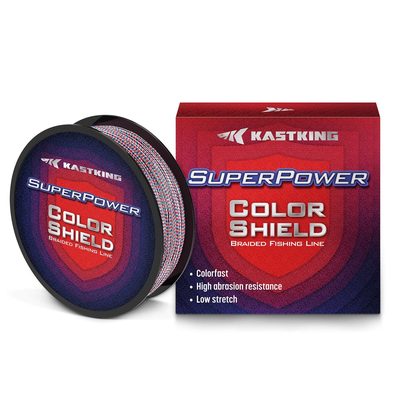
At roughly a third of the premium price, SuperPower is the value story that refuses to be dismissed: 4.5 stars across 30,000-plus Amazon ratings, full-season reports of zero break-offs, and plenty of converts from name brands. (KastKing's own site now sells the line as SuperPower ColorShield; same SuperPower family.)
The tradeoffs are real. About one in three commenters mentions dye bleeding: blue fingers during the first spooling, fading fast after. It is limper than premium braids, which means more wind knots if your spooling is sloppy, and independent anglers have measured it thicker than claimed.
Buy it to spool four reels for the price of one premium spool. Spool it with care (firm tension, do not overfill) and it will catch fish all season.
Not for: anglers who have been burned by bargain line before and want the proven thing. That is what the 832 is for.
Seaguar Smackdown ~$30–45
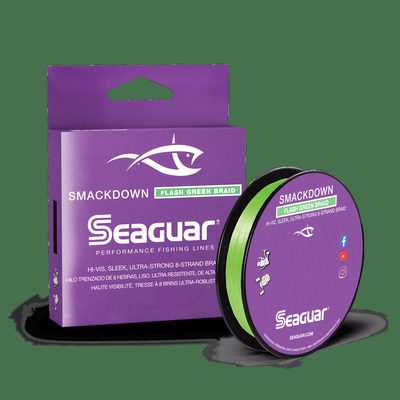
Smackdown is a specialist: 8 micro-weave strands, the thinnest braid in this guide (20-pound test, 6-pound-mono diameter), and a coating that stops the line digging into itself. Finesse anglers on 10 to 15-pound with a fluorocarbon leader call it the best braid they have used for drop shots and Ned rigs. Flash Green exists for watching the line for bites, with a leader below for the fish.
The caution, stated plainly: three independent owners report fraying and abrasion weakness, one from the first use. Against that, plenty of two-season reports with no issues. The durability record is the least predictable here. Keep it on spinning reels. It is so thin that a baitcaster backlash can weaken it, so inspect it after contact with rock.
Not for: heavy cover, baitcasters, or anyone wincing at the price. The 832 does those jobs cheaper.
Straight braid or a fluorocarbon leader?
The rule that repeats across every forum thread: let water clarity and cover decide.
Fish straight braid, no leader, in heavy cover, matted vegetation, or dirty water. Frogging, flipping, punching: 50 to 65-pound braid tied direct. The leader knot is a weak point you do not need, and the fish cannot see the line anyway. Topwater Lures for Largemouth Bass covers the frog game.
Add a fluorocarbon leader in clear water, around rock, riprap, docks, and shell beds, or when the fish are pressured. Braid's weakness is abrasion; the leader is the sacrificial bumper. Finesse techniques on spinning reels (drop shot, Ned, Neko) run 10 to 15-pound braid to a 6 to 12-pound leader as the standard setup; the drop shot hook that pairs with it is in our hooks guide. Hi-vis braid with a fluoro leader is the best of both worlds: you watch the bright line for bites, the fish sees only the leader. Water clarity is the trigger. It is the single input that changes this answer most, and the kind of conditions call BiteLab was built around.
One exception: topwater leaders should be mono, not fluoro. Fluorocarbon sinks and drags a surface bait down; mono floats. And a minority worth hearing: plenty of good anglers fish straight braid for everything and report no difference in catch rate. Leaders are the majority practice, not a law.
If the mono vs. fluorocarbon vs. braid basics are new, Best Fishing Line for Beginners covers the three line types head to head.
Pound test: buy by diameter, not the number
Quality braids break well above their rating, so the number on the box lies a little. Twenty-pound 832 breaks near forty. Match the diameter to the job:
- Finesse spinning (drop shot, Ned): 10 to 15-pound braid, 6 to 12-pound leader
- Medium spinning: 15 to 20-pound
- General baitcaster: 30 to 50-pound
- Frogging, flipping, punching: 50 to 65-pound straight
On a baitcaster, do not go below 30-pound with braid. Lighter tests dig into the spool under pressure. On spinning reels, 8-carrier lines in 15-pound and up behave; light 4-carrier tests are where wind knots live.
Knots that hold
Braid punishes lazy knots. The Palomar is the direct-tie default. For the braid-to-leader connection, the FG knot is the strongest and slimmest, and it slides through guides. But it is genuinely hard to tie well, and a sloppy FG slips. Learn it at home before you need it on the water.
The Alberto is the people's choice: nearly as trusted, far easier to tie streamside. The double uni is beginner-proof but bulky above 15-pound leaders. Whichever you tie, wet it before cinching. Lab tests show the wet-vs-dry strength gap on braid is bigger than most anglers assume. And the folk wisdom holds: the best knot on paper loses to the one you can actually retie at dusk with numb fingers. Retie leaders often.
What to skip
- SpiderWire Stealth. The most polarizing braid we looked at: lab tests and magazine roundups love it, but fishing forums give it the worst praise-to-complaint ratio of any line here. Fraying and breakage reports outnumber the defenders. The 4-strand texture genuinely cuts vegetation, so it is worth a look on sale for mat flippers. We could not award it.
- Berkley X9. Smooth and well made, but its strength runs true to rating while every competitor over-delivers. Owners watched 10-pound X9 break before their 8-pound leader. Until expectations reset, it needs a "size up" caveat that a pick should not need.
- Light-test braid on spinning reels for beginners. Six and 8-pound braids wind-knot and snap for newcomers. Start at 15-pound; the line will still feel thin.
- No-name bargain braid. The failure mode is always the same: inconsistent spools, mystery diameters, and a lost fish you will think about for a week. KastKing is as cheap as we would go.
The bottom line
Five braids, five jobs: 832 for almost everything, PowerPro for the heavy stuff, J-Braid Grand when distance matters, KastKing when the budget is tight, Smackdown for finesse at any cost. Add a fluorocarbon leader when the water is clear or the cover is hard; fish straight braid when it is thick or dirty. And wet your knots. It is the cheapest performance upgrade in fishing.