The lake, the fish, and the rule that shapes everything
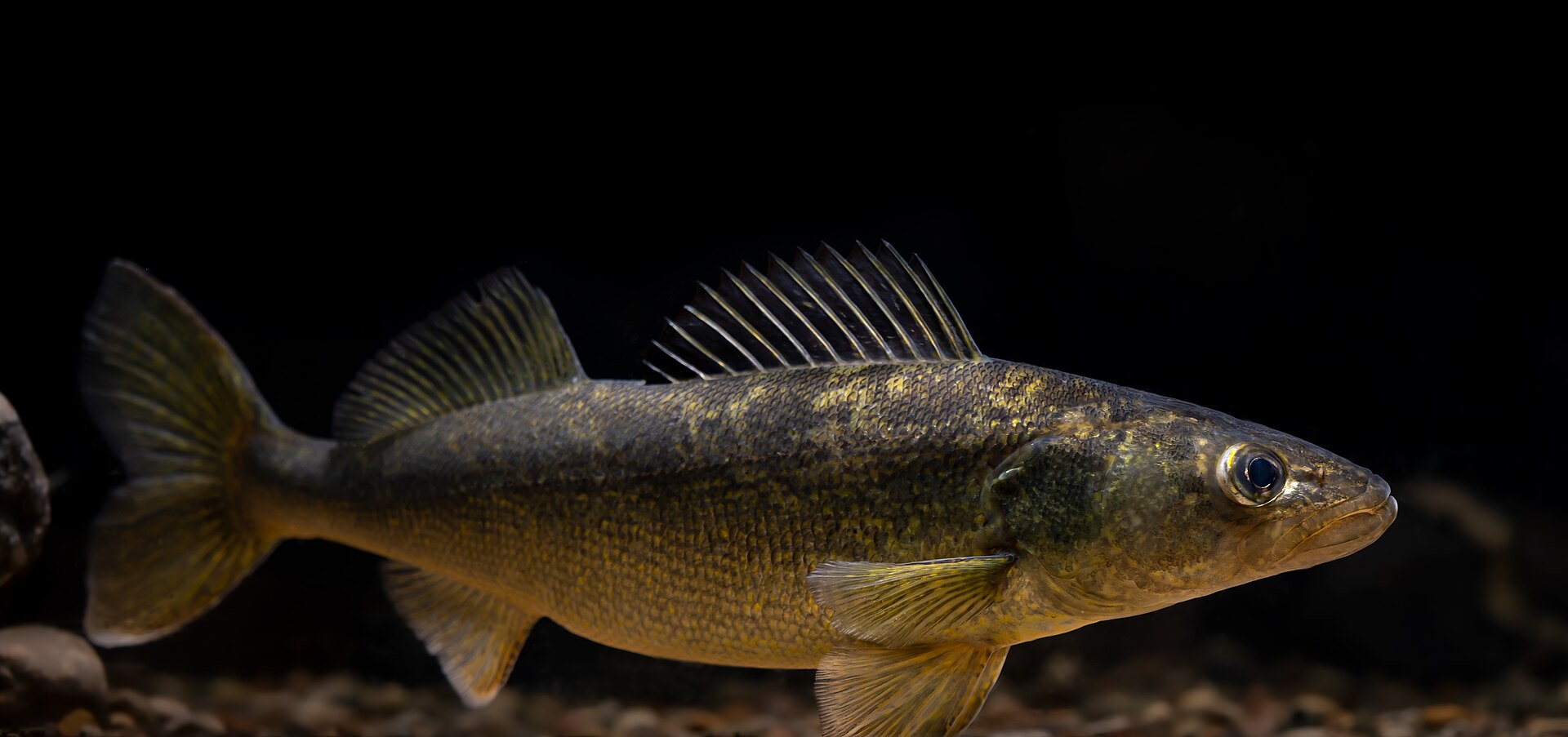
Milford Lake is the biggest lake in Kansas, about 15,700 acres on the Republican River northwest of Junction City, with 163 miles of shoreline. It wears the nickname Fishing Capital of Kansas, and the walleye are a big part of why. The state stocks it hard, about five million fry and roughly 128,000 fingerlings in 2023 alone.
One rule shapes every trip here. Milford walleye carry a 21-inch minimum length and a two-fish daily limit, counting walleye, sauger, and saugeye together. That is a special regulation, stricter than the statewide 15-inch, five-fish rule. Most Milford walleye run 15 to 20 inches, so most of the fish you catch go back in the water.
The short version: fish the dam face in April, follow the fish north after the spawn, fish low light, and keep your bait on the bottom. Our Walleye Basics for Beginners covers the rigs. This guide is about where they go on this lake.
Spring: the dam face in April
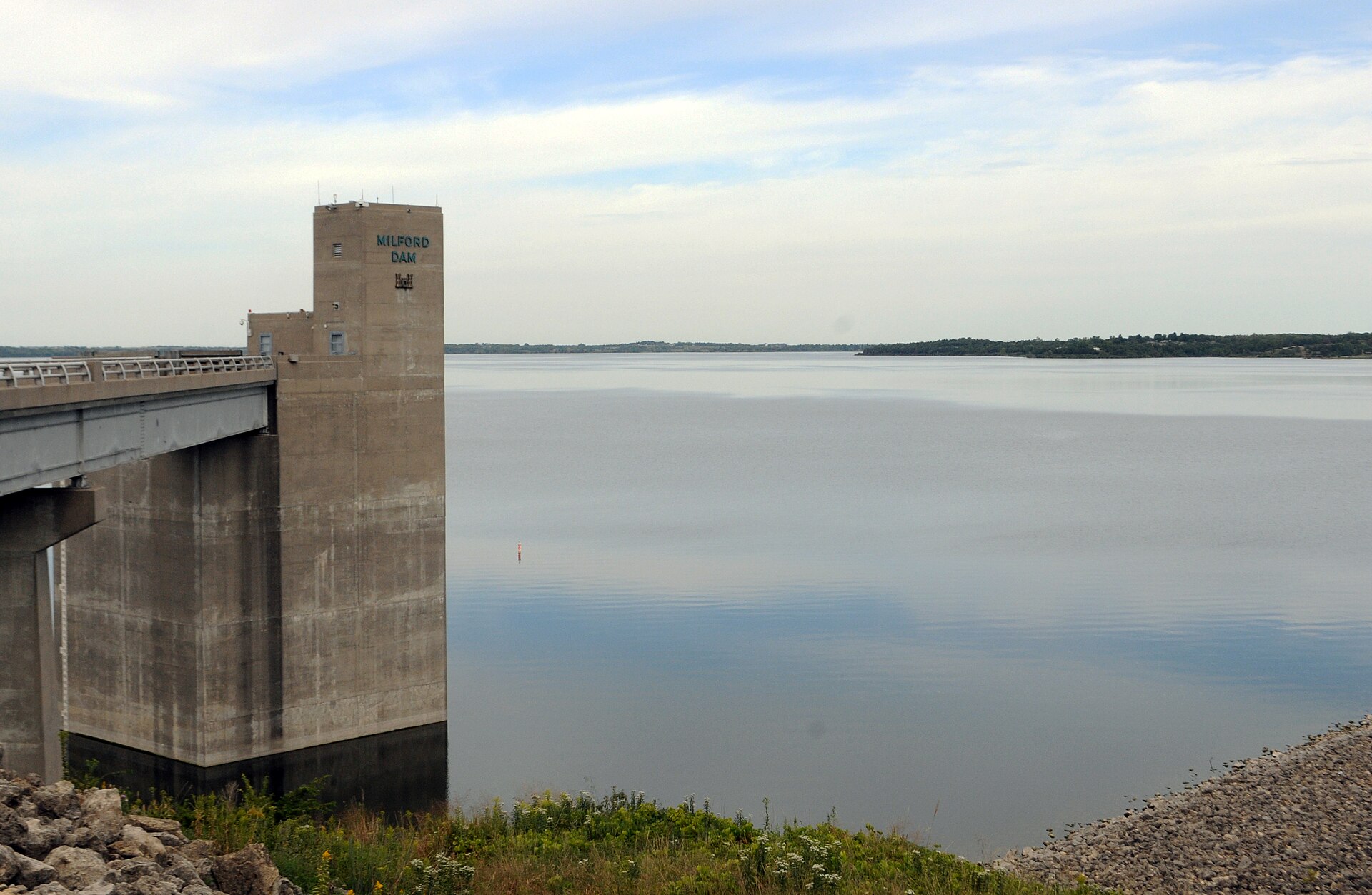
Spring is the prime season, and the dam face is the prime spot. Milford's walleye spawn in two groups: one on the face of the dam itself, the other up the Republican River arm. Both come together in early April, when the water runs in the mid-40s to around 50 degrees.
Fish the dam riprap. The riprap is the loose rock piled along the dam face, and in early April it holds the densest concentration of walleye in the lake. Cast a jig tipped with a minnow or a soft-plastic tail parallel to the rocks and work it back with a slow hop, keeping contact with the bottom. A 1/8- to 1/4-ounce jig is the usual weight.
Fish around the spawn, not during it. While the fish are actually dropping eggs they get hard to catch. The weeks just before, when they stage on the rocks and feed hard, and the weeks just after, when the females drop back slightly deeper and feed again, are the better windows. The post-spawn bite gets overlooked.
After the spawn: follow them north, then down
Once the spawn ends, the two groups come back into the reservoir together, and the pattern for the rest of the year is a slow migration. Brad Roether, a Milford outfitter who has fished the lake for years, puts it plainly: post-spawn fishing is best in the northern half of the reservoir, and the walleye migrate down the lake as the season progresses.
The post-spawn spots are specific. The state wildlife agency's own Milford notes name them: the Farnum Creek flat, the mud points near School Creek, and the flats near the military marina. Work them with a jig and minnow, or a jig tipped with a nightcrawler. A wind-blown mud bank, the side of a point where the wind piles up baitfish, is worth more than a calm one. Drift a 1/8- or 1/4-ounce jig over a flat or a point, or a bottom bouncer, an L-shaped wire weight that holds a crawler harness just off the bottom, and let the wind do the work.
Summer: deep water and low light
Summer is the hardest season, and it is where most visiting anglers go wrong. The fish slide out to deeper mid-lake structure by day and feed mostly at dawn, dusk, and night. The state's notes put summer fish off the state park points in 25 to 40 feet of water, other sources a little shallower, 15 to 30 feet over humps and along the old river channel. Treat the whole band as 15 to 40 feet, deeper as summer peaks, and fish the low-light hours.
Trolling is the summer method. A bottom bouncer with a spinner and crawler harness, trolled at about half a mile to a mile and a half an hour, keeps a nightcrawler just off the bottom over humps and flats. A deep-diving crankbait, a Shad Rap or a Flicker Shad, trolled at about one and a half to two and a half miles an hour, covers water faster. Use your electronics to find bait schools first. Milford is thick with gizzard shad, and the walleye follow them.
Shallow can still win, on the right day. In one July tournament, the winning team fished a shallow 8- to 12-foot mudline with a 1/4-ounce jig, a pink or orange head, and a three-inch curly tail tipped with a nightcrawler. They caught a fish on the first cast and stayed put while everyone else went deep, winning with 19.39 pounds. The day's biggest fish, 8.04 pounds, went to another team. A wind-created mudline in stained water pulls fish shallow even in midsummer, and the angler who finds one should stay on it.
Fall and winter
Fall rivals spring. As the water cools, walleye move back shallow and feed hard before winter. Fish wind-blown riprap and points, creek mouths after rain, and the same Farnum Creek and School Creek arms that produced in spring. Troll crankbaits at varied depths, cast stickbaits at dusk, and jig blade baits or spoons over deep humps. Late in the fall the fish stack in deep holes along the old river channel.
Summer and fall nights are productive too. Our Night Fishing for Bass covers the low-light hours that matter just as much for walleye.
Winter ice on Milford is short and unpredictable. The fish hold 20 to 40 feet deep on humps, points, and deep flats. Jigging spoons tipped with minnow heads, fished just off the bottom, catch them, and the last hour of daylight is prime. Check the ice with someone who knows the lake before you walk out on it.
The spots, area by area
The dam and the south end. The dam face is the spring spawn spot. Milford State Park sits at the southeast end, and its points are the summer deep-water spot.
The mid-lake arms. Farnum Creek on the east side and School Creek on the west side are the post-spawn and fall arms, and both have ramps and campgrounds. Curtis Creek, on the southwest side, is the third arm, and the old fish-feeder area east of it holds brush piles and drop-offs that produce in spring and fall, by boat only.
The north end. The Republican River arm, up past the Wakefield causeway, is the spring migration route and the fall return route. The water runs murkier up here, especially when the river is high, and the walleye like it that way. Launch at Clay County Park near Wakefield. The causeway itself and Madison Point are known for night white bass and catfish, not walleye.
The main lake. Submerged humps that crest at 20 to 30 feet, the edges of the old Republican River channel, and wind-swept mud banks and rocky points are the summer structure. A fish finder with GPS is close to required gear here.
The outlet below the dam
The tailrace below Milford Dam, the stretch of the Republican River right under the dam, is its own fishery and worth a separate trip. The state rates the outlet Slow to Fair, with walleye, white bass, and wipers on jigs and catfish on cut bait.
Outlet Park sits just below the dam, with a shelter, a fishing pier, and the Riverwalk Trail along the river's north bank. The water below the dam runs cold and clear, released from deep in the reservoir, over a rocky bottom you can see through. It is wadable in places, with riffles and deep holes along the rocky south shore.
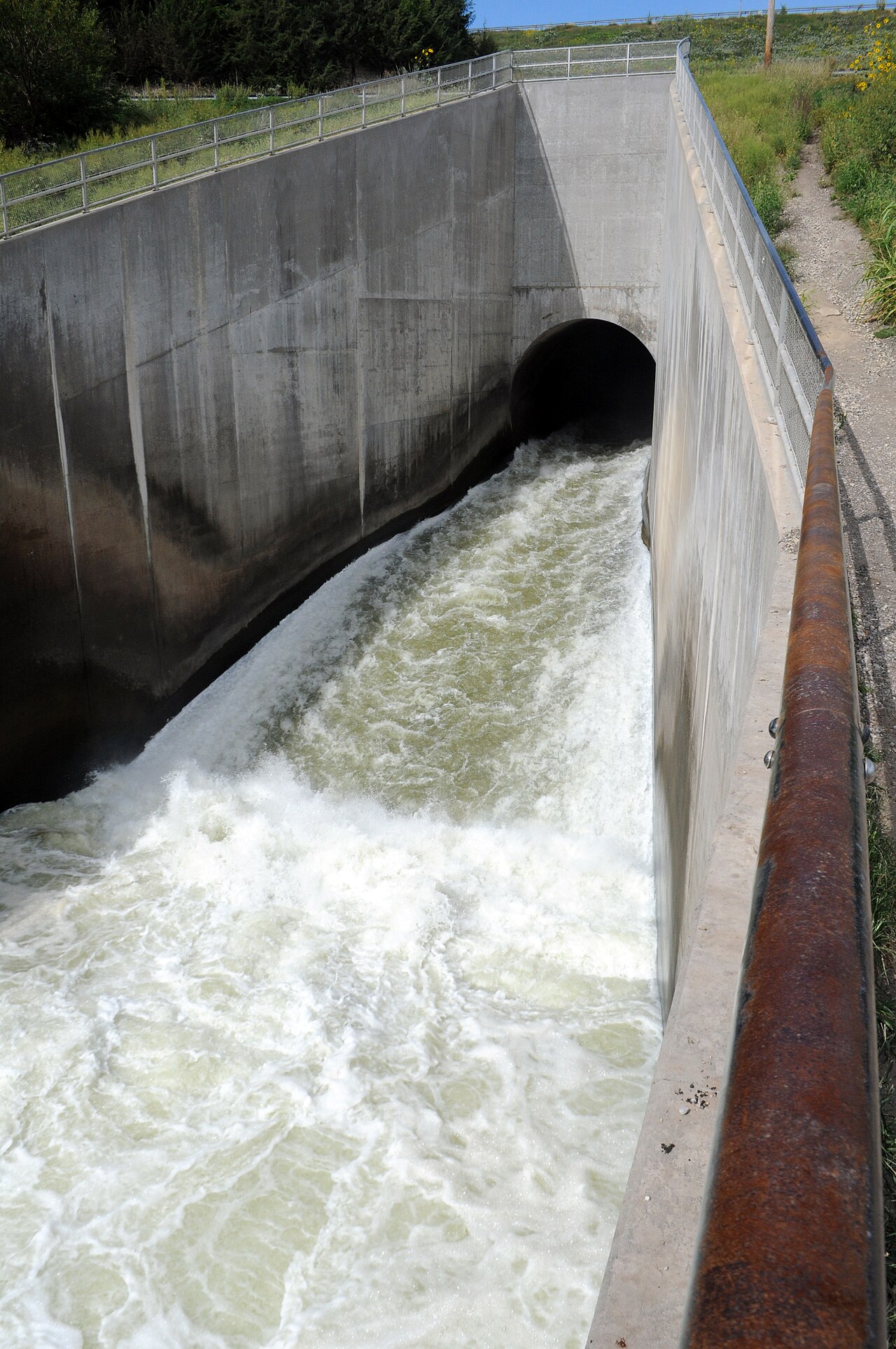
Work jigs through the riffles and holes, and cast spoons into the current breaks during high releases. Respect the safety barriers near the outlet tubes, and check the posted signs. One caution: the reservoir's 21-inch rule is listed for the lake itself, and whether it applies below the dam is not settled in the sources we read, so check the current KDWP regulations summary before you keep a fish from the tailrace.
Bank fishing, boats, and getting around
A boat is a real advantage on Milford. The summer fish at 25 to 40 feet are effectively boat-only, and crossing the lake in a chop is no fun. Launch on the side you intend to fish. About a dozen public ramps serve the lake, including the state park ramps, Curtis Creek, Farnum Creek, School Creek, the Rolling Hills ramps, Clay County Park, and Quimby Creek. The state park marina and East Rolling Hills ramps reach the deepest, so they stay usable when the lake is low. The Timber Creek ramp is not usable at most lake levels, so skip it.
Fees and permits. Some Corps day-use ramps charge five dollars a day or forty dollars a year. The state park needs its own vehicle permit on top of your fishing license. The full rundown on licenses is in the Kansas fishing license guide.
Bank fishing is real, in the right seasons. Spring and fall are the bank angler's windows: the dam riprap, the state park points, and the public-use areas at Rolling Hills, Curtis Creek, School Creek, and Farnum Creek all give you a place to stand. One warning: the Fort Riley marina is military-only.
Zebra mussels are in the lake. Drain your livewell and bilge before you leave, and never move live bait between waters. Buy bait locally and do not dump a bait bucket.
What to skip
- Fishing summer like spring. The same shallow spots and fast jigging that worked in April will not work in July unless you find a mudline or fish low light.
- Fishing midday in bright sun. The fish are deep or inactive then, so fish dawn, dusk, and night instead.
- Expecting a limit. Most fish are under 21 inches, so most go back. In a June 2026 tournament, several experienced teams blanked entirely.
The bottom line
Milford rewards the angler who fishes the calendar. April on the dam face, the Farnum and School Creek flats after the spawn, deep humps and state park points in summer, and the creek arms again in fall. Fish low light, keep your bait on the bottom, and expect to release most of what you catch. The 21-inch rule means the keepers are earned.