The easiest first fish of winter
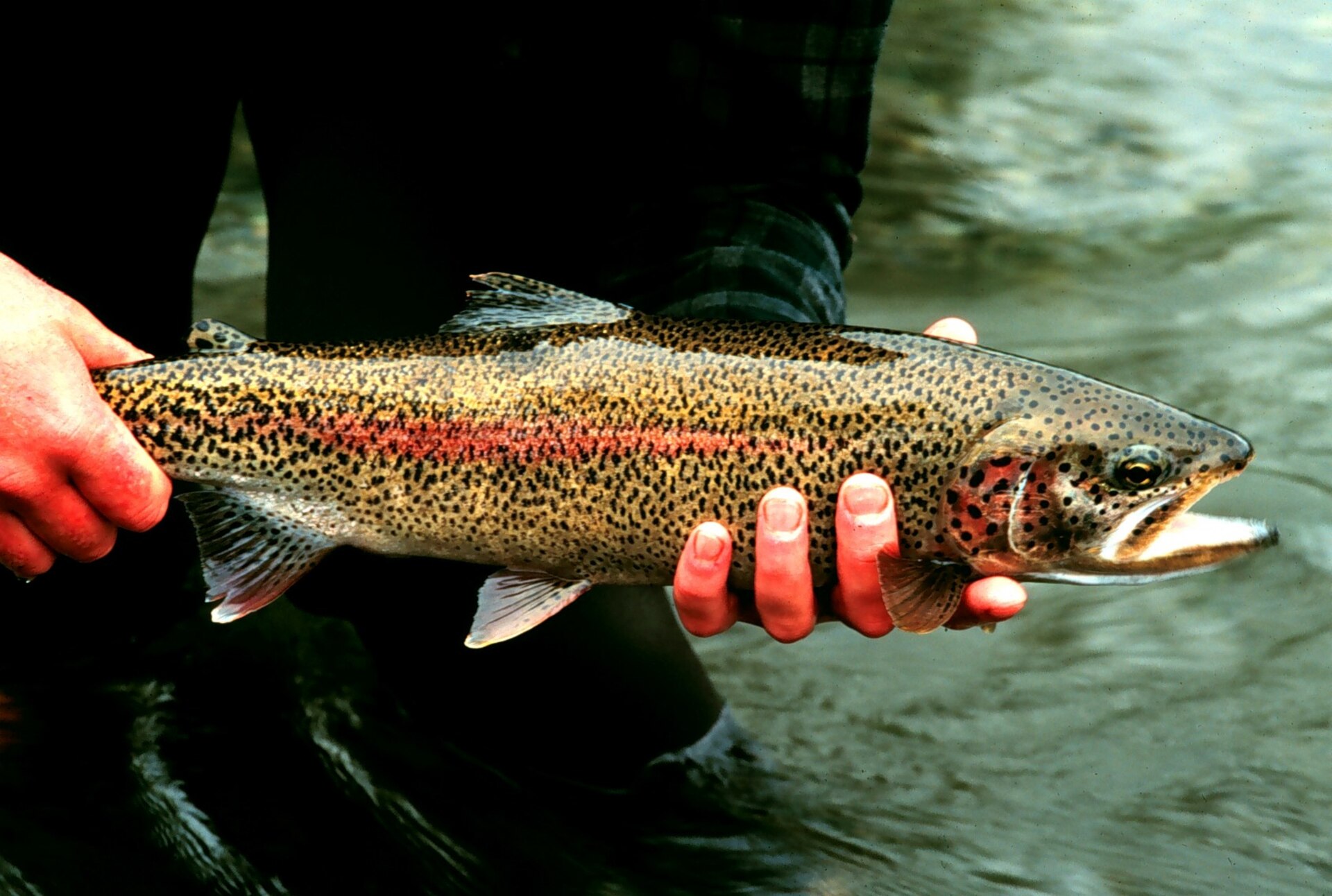
Winter shuts down most fishing, and then the stocking truck shows up. State hatcheries dump thousands of rainbow trout into small lakes and ponds every cold season, and for a few days after stocking, those fish are among the easiest catches in freshwater.
The short version: fish within a few days of stocking, at dawn, with a sliding-sinker rig and a pea-size ball of chartreuse PowerBait floating just off the bottom on 4-pound line. Everything else in this guide is the detail behind those four sentences.
What a stocked trout is
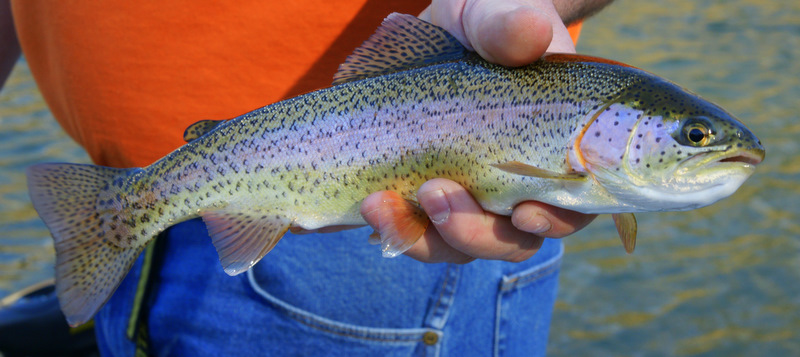
A stocked trout is a hatchery-raised rainbow trout, grown in concrete raceways on pellets and released into water that cannot hold wild trout year-round. Kansas is a good example: rainbows are not native here, and they die off as the water warms in spring, so the state stocks them as a winter fishery.
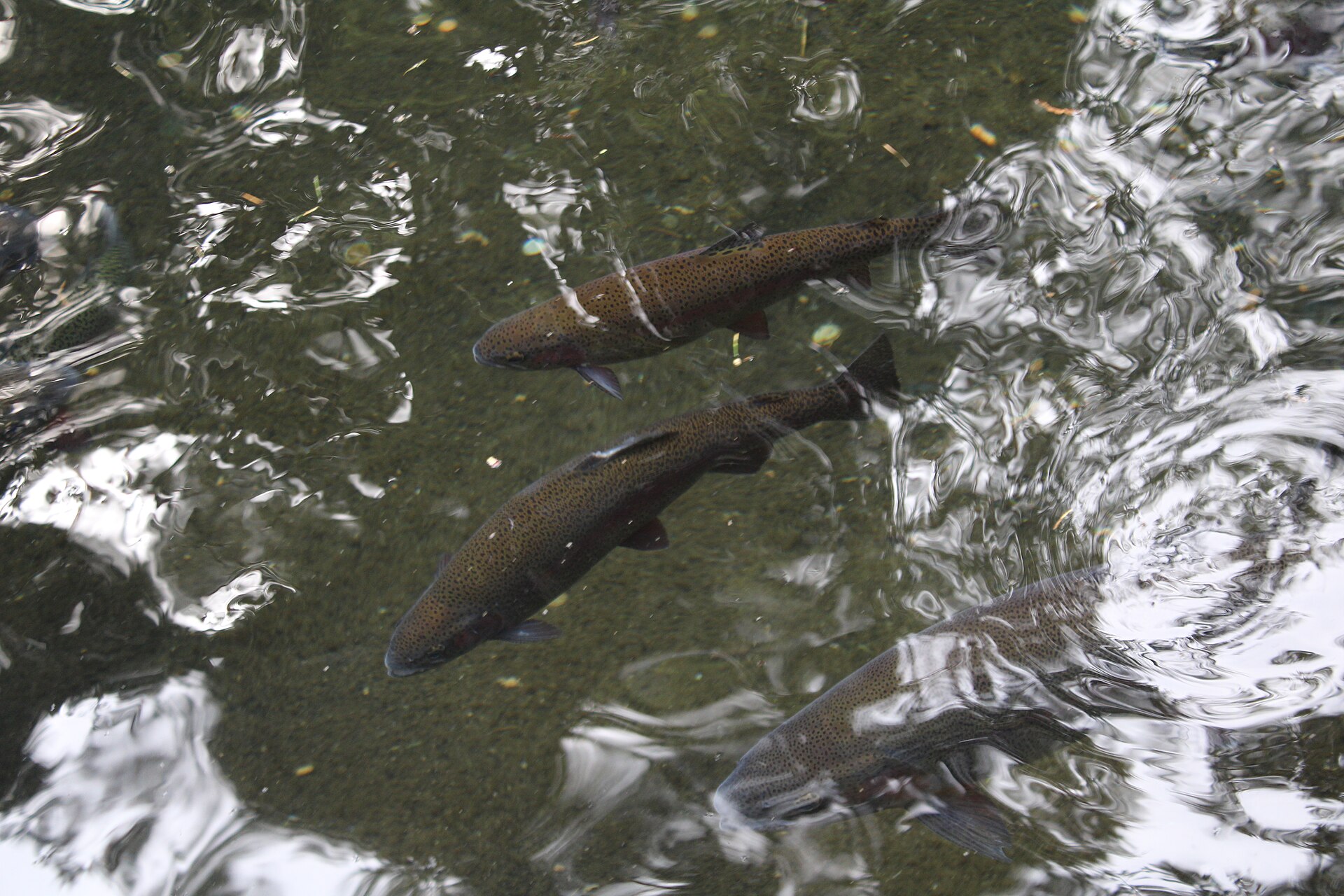
That hatchery upbringing is the whole game. A freshly stocked trout has spent its life eating pellets dropped from above, so it has no fear of people, no idea what a hook is, and a strong appetite for anything small, bright, and scented. It schools up near the spot where the truck backed in, usually a boat ramp, and stays there for a few days to a week before the school breaks up.
Then the fish wise up. Within a week or two the easy ones get caught, and the bite slows. One veteran guide, Graham Bristow of Trout & Steelhead, argues that once the fish settle in, worms and salmon eggs beat dough bait outright. The clock starts the day the truck leaves.
When to go
Check the stocking schedule before you check the weather. Every state agency publishes one, and the dates matter more than anything else. Kansas posts its schedule around the first of December, January, and February, and the 2025-26 season runs December 1 through March 31, a change from the older November 1 to April 15 season, moved later because November water was warm enough to compromise fish health.
Kansas also requires a trout permit on top of a fishing license during the season. The permit costs $20 and lasts 365 days from purchase, with a $7 youth permit for anglers 15 and under, who need only that permit. Some waters require the permit of every angler, while others require it only of anglers fishing for trout, so check the water you plan to fish. The daily limit is five trout, with a possession limit of 15. After March 31 the permit is no longer required, but the limits still apply.
Time of day. Dawn is the best time, from first light to about 9 in the morning, with evening second. Overcast days fish well all day, while bright midday sun is the slowest window. Rainbow trout feed best in water around 52 to 62 degrees, and stocked fish still bite in colder winter water, just more slowly. Once the water warms past the mid-60s, trout drop deep or die off.
Days since stocking. The first few days after a stocking are the best fishing of the season. A month later most of the easy fish are gone. Go as soon as you can after the stocking date, and do not wait for the perfect weekend two weeks later.
The rig that catches most of them
The standard rig for stocked trout in lakes and ponds is the sliding-sinker rig, also called a Carolina rig. A weight slides freely on the main line, a swivel stops it, and a short leader carries a small hook with floating bait. The bait floats up off the bottom where the trout can see it, and the sliding weight lets a fish pick it up without feeling resistance.
Start with 4-pound monofilament on the reel. Thread a 1/8- to 1/4-ounce egg sinker onto the line, then tie on a small barrel swivel. The swivel is the little metal connector that joins two lines and keeps them from twisting. Tie 18 to 24 inches of 4-pound fluorocarbon leader to the other end of the swivel. Fluorocarbon is harder for fish to see underwater than mono, which matters because trout have good eyesight in clear water. Finish with a small treble hook, size 12 to 14. A single hook in size 10 to 12 works too. A treble hook has three points, and it holds dough bait well.
Mold a pea-size ball of dough bait around the hook, covering all the points. Lob the rig out with a gentle underhand swing, not a hard snap cast, or the dough flies off the hook. Set the rod in a holder with the tip up, open the bail (the wire arm on the reel that lets line come off the spool), and leave some slack so a fish can take the bait without feeling the rod.
Then wait for the rod to tell you what is happening: small taps mean a fish is nosing the bait, while a steady pull that bends the rod tip down is the bite. Set the hook with a firm, smooth sweep of the rod, never a hard jerk on 4-pound line. Re-bait about every 15 minutes, because dough loses its scent and shape in the water. If you are not getting bites, change the leader length first. A longer leader floats the bait higher, a shorter one keeps it closer to the bottom.
What to put on the hook
PowerBait is the default stocked-trout bait, and it wins because it copies the hatchery pellet diet. It floats, it smells, and it comes in colors no natural food ever wore. Chartreuse is the color anglers name first, with rainbow second and garlic scent third, especially on pressured fish. No single color always wins. Carry two or three and rotate until the fish pick one.
The rest of the bait box is cheap and simple. Corn is whole-kernel canned corn on a small hook, and it catches stocked trout when nothing else will, but check your local rules first because it is illegal in some waters. Worms work best as half a nightcrawler, not a whole one, on a size 8 to 10 hook under a bobber. Salmon eggs are small, bright, and easy to fish on a single hook. Marshmallows and white bread balled on a bare hook sound like jokes, and both catch stocked rainbows.
Buy a fresh jar each season: old dough dries out, loses its scent, and will not stay on the hook. And PowerBait is banned on artificial-only and fly-only waters, so check the rules before you open the jar.
If you would rather cast than sit
Not everyone wants to watch a rod holder. Small inline spinners are the active-search lure for stocked trout: a Rooster Tail or Panther Martin in 1/16 to 1/8 ounce, or a Mepps Aglia in size 0 or 1, gold on overcast days and silver when the sun is out. An inline spinner is a lure with a metal blade that spins around a wire shaft as you reel it in. Cast it out, reel just fast enough to feel the blade thump, and cover water until you find the school.
Small metal spoons, curved lures that wobble and flash as you reel them in, are the second option. A Kastmaster in 1/12 to 1/4 ounce casts far and flashes hard, and on the actual stocking day, flashing metal often outfishes bait, because newly released fish hit anything that moves. After the first day or two, dough bait takes over.
The tackle
You do not need trout-specific gear to start. A 5- to 7-foot light or ultralight spinning rod with a 1000- to 2500-size reel covers the whole job. Spool it with 4- to 6-pound monofilament. In clear, pressured water, dropping to 2-pound line is often the difference between catching and getting skunked. Six-pound line is overkill for a typical stocked trout, and heavy line, big hooks, and large swivels all spook trout in clear water.
Our Best Ultralight Spinning Rods for Panfish guide covers the light end of the range, and our Best Spinning Combos Under $100 for Beginners guide has ready-made setups at the right spec. If your reel is already spooled with heavier line, our How to Spool a Spinning Reel guide walks through putting fresh light line on without the twist.
Mistakes that get beginners skunked
Line too heavy. The most common failure in the forums is an angler fishing 6- or 8-pound line with otherwise correct rigs and wondering why nothing bites. Trout see the line. Go light, and go lighter still if the water is clear.
Bait lying on the bottom. Trout will not dig bait out of the mud. If your dough ball sinks into the weeds or the hook is too heavy to float, you are fishing dead water. Test the rig in the shallows first.
Casting too far. Stocked trout hold close to shore, often between you and the spot where your long cast lands. They also swim laps around small lakes and funnel around points. Fish the near water first, and fish the end of a point before the middle of the lake.
Setting the hook on the first tap. The most common reason beginners miss fish on PowerBait is jerking at a nibble. Wait for the steady pull that loads the rod, then sweep.
Fishing a month after stocking. The bite fades fast. A lake stocked in December fishes nothing like the same lake in February.
Planning to release a PowerBait fish. Trout often swallow a dough-baited hook deep, and a trout that swallows the hook rarely survives release. Treat the sliding-sinker rig as a keep-and-eat rig. Bring a stringer (a cord that holds kept fish in the water) or a cooler, and only fish it when you are willing to keep what you catch.
The bottom line
Stocked trout fishing rewards the angler who shows up early in the season, early in the day, and close to where the truck backed in. A light rod, 4-pound line, a sliding-sinker rig, and a pea-size ball of chartreuse dough will catch more trout than any fancy setup. Get the permit, check the schedule, and go while the fish are still naive.