
A bluegill on 2-pound line bends an ultralight rod double, and that bend is the whole point. A regular bass rod turns a half-pound bluegill into a tug. An ultralight turns it into a fight. The trouble is that most cheap ultralights are either too soft to cast a 1/32-ounce jig or too brittle to survive a snag.
Our verdict up front: buy the St. Croix Panfish Series, about $140 to $150 for the 6-foot or 6-foot-9 ultralight, if you want the best rod in the class. The Shimano Sensilite A costs about $50 and is the best feel for the money. The Okuma Celilo runs about $36 and is the budget pick. The Ugly Stik Elite costs about $85 and is the one to hand to a kid or drag through brush. The St. Croix Triumph runs about $120 and is the best bridge to finesse bass.
What actually matters in an ultralight rod
Three words decide whether a rod works: power, action, and length. Power is how much force it takes to bend the rod. Ultralight power is the lightest class, built for 2- to 6-pound line and lures around 1/32 to 1/4 ounce. Action is where the rod bends. A fast action bends near the tip, which makes hooksets quick and lets you feel a crappie breathe on a jig. Length runs 5-foot-6 to 7 feet for most panfish rods. Shorter rods suit tight creeks and docks; longer rods cast farther and keep more line off the water under a bobber.
The lure rating matters more than the brand: a rod rated to 1/32 ounce will load and cast a tiny jig, while a rod that bottoms out at 1/8 ounce leaves you lobbing instead of casting. Check the rating before the price.
What to skip
Daiwa Presso. Owners love the feel, but the durability reports are the worst in this guide. One owner broke the tip, repaired it, then broke a mid-section on a snag without pulling hard. The price also climbed from about $50 to about $80. And the name is a trap. The US Presso shares only a name with the Japanese Presso lines, so reviews for one do not apply to the other.
13 Fishing Defy Silver. It shows up on shortlists at about $60, but we found no owner reviews, no forum threads, and no long-term reports. The related Defy Black carries breakage reports and a quality-decline thread. A rod with no owners behind it does not get a pick.
Fenwick Eagle Trout & Panfish. The blogs like it, but the current models run about $100 to $120, and the rod is too new to have a track record. Wait a season.
Shakespeare Micro Series. At about $25 to $35 it is the cheapest rod here, and the blank is genuinely good for the money. But the tip snaps, on snags, on fish over a few pounds, and on 4-pound line. Buy it as a backup or a kid's first rod, not as your main rod.
Moderate-action St. Croix ultralights. This one is a model trap, not a brand problem. Owners love the fast-action St. Croix UL models and call the moderate ones broomsticks. If the model code ends in M instead of F, put it back.
One more caution that applies to every graphite rod here: never high-stick a snag. Lifting with the rod tip past vertical is how most ultralight tips snap. Point the rod at the snag and pull straight back with the line, or break the line and re-tie.
St. Croix Panfish Series ~$140–150
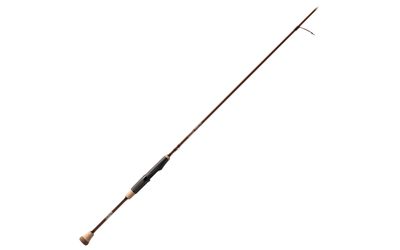
The Panfish Series is the rod that shows up in nearly every serious panfish conversation. The model to buy is the 6-foot-9 ultralight, fast action (PNS69ULF): one piece, rated for 2- to 6-pound line and 1/32- to 3/16-ounce lures, with a cork handle and a 5-year warranty. The SCII carbon blank and stainless guides keep it light, and it balances well with a 1000-size reel on it.
The evidence is the strongest in this guide. A BassResource veteran called the 6-foot-9 UL "the last UL you will ever buy." A two-season field test cast a 1/32-ounce jig 60 feet on 4-pound mono and handled incidental bass on the same rod. One forum member ran measured casting tests across roughly 100 ultralight rods he owns, and the St. Croix models were his top casters. Three working panfish guides independently picked the 7-foot light model from this series as their go-to.
Two downsides. First, the price. At about $150 for the 6-foot-9, it costs four times the budget pick. Second, the tip can snap. A Reddit thread with 65 comments documents a snapped 6-foot Panfish rod, and the owner fixed it himself with a new tip. But the warranty story in that same thread speaks for itself: St. Croix sent a replacement in under two weeks, no questions about how it broke, and one owner got a newer model at no cost.
Not for: anglers who want one rod for everything including bass. If finesse bass shares the rod, the 7-foot light, extra-fast model in this same series is the crossover, at about $150.
St. Croix Panfish Series 6'9" Ultralight, the pick for serious panfish anglers
Shimano Sensilite A ~$50
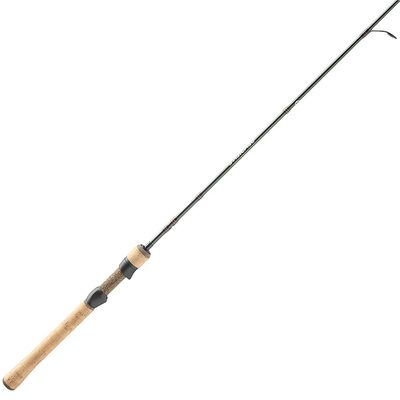
The Sensilite A was the most repeated rod in the Reddit threads we read, and the praise is consistent: best bang for the buck, sensitive, light. The model to buy is the 6-foot-6 ultralight, fast action (SENS66ULA): one piece, rated for 2- to 6-pound line and 1/32- to 3/16-ounce lures, with a split-grip cork handle and aluminum oxide guides. Shimano lists it at $49.99.
Wired2Fish made it their multi-purpose pick, calling it the rod that never leaves the back of the truck. One Reddit owner fished his for two seasons and called it one of his favorite rods. Several owners pair it with a small Shimano Nasci or Sahara in 1000 size.
Two drawbacks. First, the owner base is thin: the Amazon listing holds 4.1 stars across only 6 ratings, so the blog praise outweighs the owner evidence here. Second, the warranty is one year, the shortest in this guide, and customer summaries warn it may break if mishandled or used for larger fish.
Not for: anglers who fish hard around cover or hand the rod to kids.
Shimano Sensilite A 6'6" Ultralight, the most feel for $50
Okuma Celilo ~$35–40
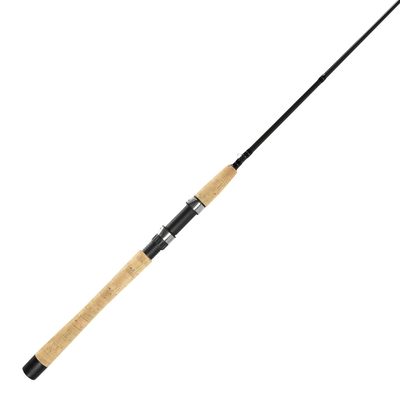
The Celilo is the budget rod that owners keep buying twice. The model to buy is the 6-foot-6 ultralight (CE-S-662ULb): two pieces, moderate taper, rated for 2- to 6-pound line and 1/32- to 3/8-ounce lures, with a graphite composite blank, titanium oxide guide inserts, cork grips, and a stainless hooded reel seat. Okuma lists it at $41.49, and Amazon has it at about $36.
The owner base is the deepest in the budget tier: about 600 Amazon ratings at 4.4 stars. An 18-session test of the 6-foot model said it punches well above its price class and loads 1/32-ounce jigs cleanly, and one two-season owner caught a 5-pound carp on 2-pound test with his. Crappie forum members buy multiples.
It has two downsides, starting with the tip: owners report breakage on the first trip, on snags, and on high-sticking, and the two-piece tip can twist after a fish or two. Second, the reel-seat nut backs off mid-session, so check it now and then. Both are the price of a $36 rod.
Not for: anyone fishing heavy cover or targeting bass over a few pounds.
Ugly Stik Elite ~$85
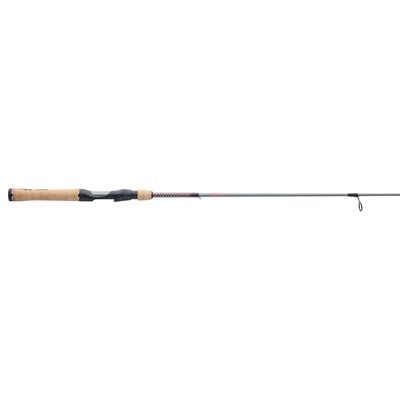
Buy the Elite when the rod will get abused. The model to buy is the 6-foot-6 ultralight (USELSP662UL): two pieces, moderate-fast action, rated for 2- to 6-pound line and 1/32- to 1/8-ounce lures, with a graphite and fiberglass blank, one-piece stainless Ugly Tuff guides, the Clear Tip design, cork grips, and a 10-year warranty. Ugly Stik lists it at $84.95.
Durability reports are about as consistent as tackle gets. A multi-year owner says his 5-foot ultralight "held up well over the years." Forum members use the 5-foot-6 ultralight for dock shooting with 1/64-ounce lures. The blank carries 35 percent more graphite than the GX2, and the one-piece guides have no inserts to pop out.
Two downsides. First, it is heavier and less sensitive than the graphite rods above, and the 1/8-ounce lure ceiling means it tops out sooner on slightly heavier jigs. Second, the price climbed. Anglers quoted the Elite near $50 a few years back, and the current list is $84.95. It is still the toughest rod here, but it is no longer cheap. One more check: a Reddit thread shows the reel-seat collar on a $30 Ugly Stik combo can split if over-tightened, so do not crank the reel seat down like a lug nut.
Not for: anglers chasing the lightest bite detection. Buy graphite instead and accept the fragility.
Ugly Stik Elite 6'6" Ultralight, the rod that survives the bank, the brush, and the kids
St. Croix Triumph ~$120
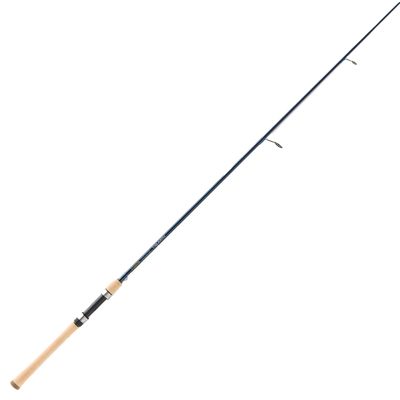
The Triumph is the bridge rod in this guide: a panfish rod that handles finesse bass without apology. The model to buy is the 5-foot-6 ultralight, fast action (27TRS56ULF2): two pieces, rated for 2- to 6-pound line and 1/32- to 3/16-ounce lures, with a cork handle and a 5-year warranty. St. Croix lists it at $120.
One note: St. Croix refreshed the Triumph line for 2027, and it won Best New Freshwater Rod at ICAST 2026. The 5-foot-6 ultralight now sells as the 27TRS56ULF2. The owner reports below are for the outgoing model, which shares the SCII carbon blank and Fortified Resin System, though St. Croix says the 2027 version uses an improved SCII formulation.
The evidence is steady. The 5-foot-6 ultralight tied for the best measured casting distance in the same tests that ranked the Panfish Series at the top. Roundups call it the entry point into St. Croix gear, and owners call it most of the feel for less money than the Panfish Series.
Two drawbacks. First, the 5-foot-6 length gives up casting distance to the longer rods here, so it suits ponds, docks, and creeks better than open water. Second, the lure ceiling stops at 3/16 ounce, so heavier finesse jigs are out.
Not for: open-water crappie, where a 7-foot rod earns its keep.
St. Croix Triumph 5'6" Ultralight, the panfish rod that also fishes finesse bass
Pairing it: reel and line
A 1000-size spinning reel balances these rods. Our Best budget spinning reels under $100 guide has the shortlist. Spool 4-pound mono for panfish: it stretches, which protects light hooks, and it costs almost nothing. Our Best monofilament fishing line for bass guide covers the picks. If you fish braid, run 6-pound braid with a fluorocarbon leader. Our Best braided line for bass guide explains the setup.
The bottom line
Buy the Panfish Series if panfish is your main game. Buy the Sensilite if you want most of the feel for $50. Buy the Celilo if the budget is tight and you fish open water. Buy the Elite if the rod will get abused. Buy the Triumph if finesse bass shares the rod with panfish. And whatever you buy, do not high-stick a snag.