
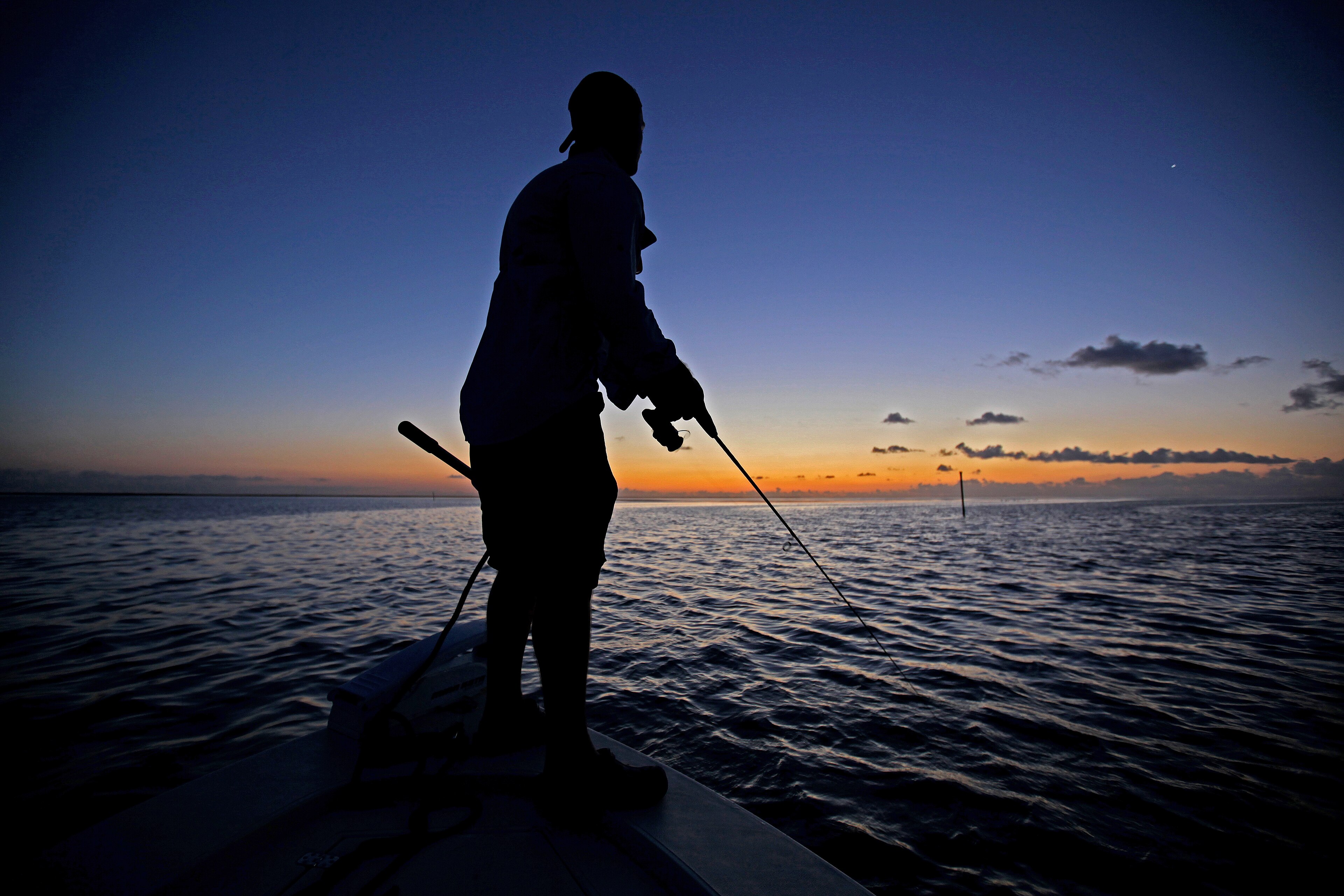
The lake after dark
The ramp empties at sunset. The pleasure boats go home, the jet skis go quiet, and the lake belongs to whoever is still out there. That is the first reason to fish at night. The second is that the bass come to you: during a hot day they sit deep and sulk, and after dark they slide up onto the flats, the weed edges, and the riprap to feed, often in two to eight feet of water.
The short version: throw black lures that push water, fish them slow and shallow, set the hook when you feel the fish, keep white light off the water, and wear a life jacket the whole time.
Why bass feed at night
Bass are crepuscular: they feed hardest around dawn and dusk, not at midnight, and that evening peak stretches into the dark, especially in summer when the daytime water is hot and crowded. The fish are not hunting by sight the way they do at noon. In the dark they hunt by contrast and by feel.
A bass sees in shades of gray-green at night, so color mostly drops out of the picture, and a black lure reads as a clean dark shape against the lighter sky and surface. The other sense doing the work is the lateral line, the row of sensors along a bass's side that feels vibration in the water. In darkness that sense takes over, and it only reaches about one or two body lengths, so a lure has to push water and make noise to get found at all. Finesse baits lose most of their effectiveness at night: they depend on a bass seeing a small bait clearly, and at night it cannot.
What to throw
Five baits cover nearly every night: all dark, all pushing water, all easy to fish without seeing them.
A black buzzbait. The default night bait, and the one most night anglers name first. A buzzbait is a topwater lure with a propeller blade that churns the surface. Fish the black one steady, just fast enough to keep the blade turning, along grass edges and parallel to the bank. Our Best Buzzbaits for Bass guide covers the picks in full.
A big single-Colorado spinnerbait. A spinnerbait is a wire lure with spinning blades and a skirted hook, and a Colorado blade is the wide round blade that thumps hard at slow speeds. The night setup is a half to three-quarter ounce bait, one big Colorado blade, black skirt, slow-rolled just over the grass or along the bottom. One forum veteran put it bluntly: if the blade is not making contact with something, the fish will not touch it. Our Best Spinnerbaits and Chatterbaits guide covers the models.
A black topwater. A Jitterbug, the old lip-chugging topwater, is the classic night bait, and a black Zara Spook or popper works the same way. Fish it slow, with long pauses between twitches. The warning every night angler repeats is that bass miss topwater constantly in the dark: set the hook on the splash and you will pull it away before the fish has it. Wait until you feel the fish, and when a bass misses, throw a black worm back at the same spot.
A big dark Texas-rigged worm. A Texas rig is a soft plastic worm with the hook threaded weedless through the bait and a sliding weight ahead of it. At night go big, ten to twelve inches, in black, black and blue, or Junebug, and crawl it slow along the bottom. This is the follow-up bait, and the one that catches fish when the loud stuff goes quiet.
A black jig. A jig is a weighted hook with a skirt and a soft plastic trailer. A half ounce black jig with a craw trailer is the night bait for docks, brush, and rock, and the old hands say to learn it last: once you can feel a jig bite in the dark, you can fish anything at night. Our Best Jigs for Bass guide covers the picks.
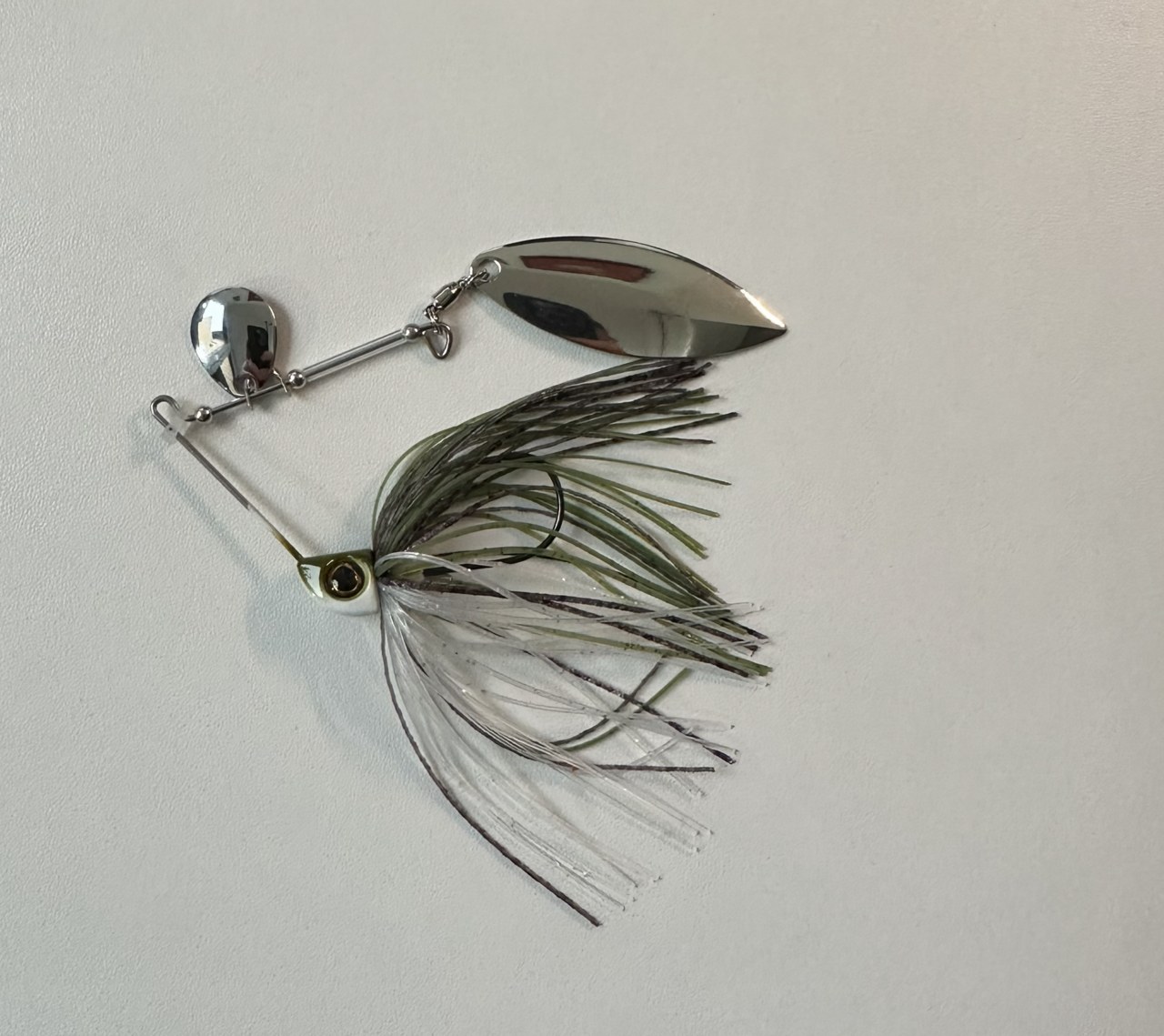
Size up across the board: longer worms, heavier spinnerbaits, bulkier trailers. A bigger profile pushes more water and gives a bass hunting by feel a larger target to find.
How to fish it
Slow down first. Every retrieve goes slower than you think it should, so slow-roll the spinnerbait until the blade just turns, crawl the worm, and double the pauses on topwater. Fishing too fast is the most common beginner mistake at night.
Fish shallow, near deep water. Take your daytime spots and move each one a step shallower: points, flats, weed edges, docks, riprap, and drop-off edges, with the best holding deep water a short cast away. From a boat, park off the spot and work the lure back toward the boat. From the bank, cast out and work back, and always fish the riprap and the boat ramps.
Set the hook on feel, not sight. You cannot see the bite in the dark, and on topwater you will hear it before you feel it, so keep reeling until you feel the weight of the fish and then set. Our How to Set the Hook guide covers the mechanics. The same rule applies to the blade stopping on a spinnerbait: when the thump quits, something has it. Keep your casts short, since long casts in the dark go wrong in ways you cannot see until the lure is in a tree.
Lights: what to carry and what to keep off the water
Light is a tool at night, not a convenience. The rule is simple: red for tasks, white almost never, and nothing shining on the water while you fish.
A red-mode headlamp. This is the one piece of gear every source agrees on. Your eyes need 20 to 30 minutes to fully adjust to the dark, and one second of white light erases it. A headlamp with a red mode lets you tie knots, unhook fish, and find gear without losing your night vision. Buy one where red is easy to reach: a dedicated red button, or red first when you switch it on. Cycling through white to get to red defeats the purpose.
A black light and fluorescent line. A black light is a UV light that makes fluorescent fishing line glow bright above the water, so you can see twitches and slack you would otherwise miss. It is a convenience, not a requirement: it works best in clear water and does almost nothing in muddy water, and plenty of good night anglers fish without one. Never aim any accessory light where it can be mistaken for a navigation light.
Dock lights. A lighted dock draws plankton, which draws baitfish, which draws bass. Fish the shadow edge where the light ends, not the bright center: cast past the light and retrieve through the ring, sneaking up downwind. Some of the best night docks have no lights at all, so do not skip a dark dock.
Navigation lights are not optional. A boat on the water between sunset and sunrise must show navigation lights: on most small boats that is a red and green bow light and an all-round white light, while larger boats carry a separate stern light and a masthead light, and kayaks and canoes have lighting requirements that vary by state. Check your state's rules and the access hours before you launch, since some parks and ramps close at night.
The moon question
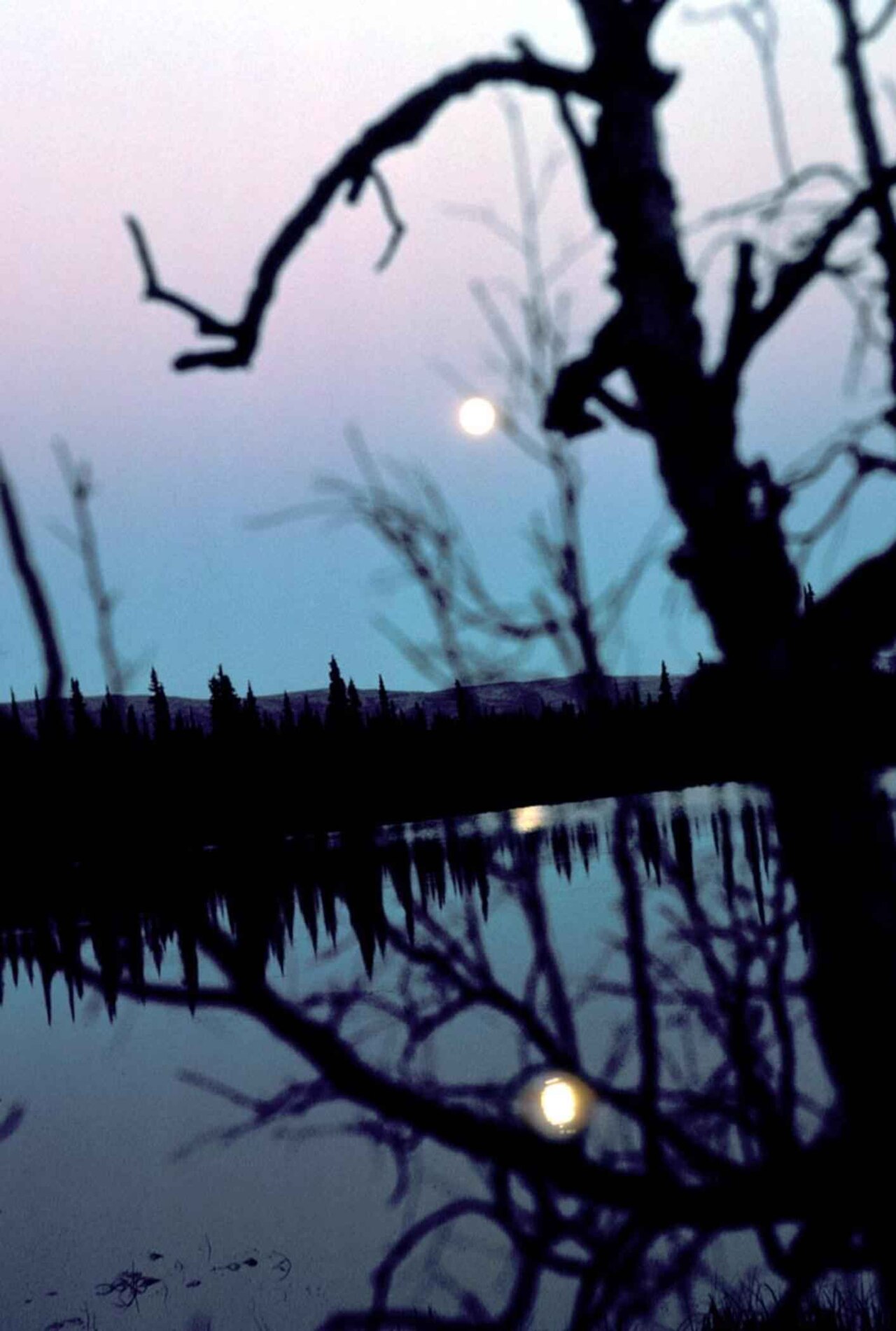
Ask ten night anglers about the moon and you will get three answers: the darkest nights are best, the full moon is best, or the moon barely matters next to water temperature, location, and weather. In clear water a full moon brightens the lake, and some anglers say it spooks fish, while on the other side the extra light helps the bass hunt.
The science leans toward the third group: bass feed nearly as well in moonlight as in daylight, but their success drops to about six in ten in starlight and near zero only in total darkness, and a 2023 study by Quigley and colleagues, on trout in Utah, found that solunar tables, the moon-phase charts that predict feeding times, did not predict catch rates at all. Treat the moon as a small factor: on bright nights fish the edges and the shade, and on dark nights fish black and loud.
When to go
The first hours after dark are the best, roughly one hour after sunset to midnight. Some anglers say the bite takes an hour or so to turn on after sunset, so do not judge the night by the first casts. The bite can go quiet mid-night and turn back on before dawn, and the last two hours before sunrise often produce the biggest fish. Midnight to 3 a.m. is usually the slowest stretch.
Summer is prime, because hot days push bass deep and the nights pull them shallow to feed. Fall nights are underrated: water near 65 degrees at night is excellent, and several anglers call fall better than summer. Winter is where it stops for most people, since cold water and ice make winter nights a different trip. Our Fall Bass Fishing guide covers the cooling-water pattern in full.
Safety first, because the dark forgives nothing
Night fishing is safe when you treat it as a different trip from a day trip, not the same trip with less light.
Wear a life jacket the whole time. Falling in is more dangerous in the dark, when you cannot see the boat, the bank, or the way back. If you are driving a boat under 26 feet, clip the kill switch to your life jacket whenever you are running at speed: federal law requires it, and it stops the boat if you go overboard. Other boaters in the dark are the real danger, not the fish.
Fish with a buddy, or tell someone your plan. Leave a float plan with a responsible adult: where you are launching, where you are fishing, when you expect to be home, and who to call if you do not return.
Fish only water you know from daylight. Learn the spots, the ramps, and the routes in the daytime first. Never fish a new lake at night, or rivers or heavy current as a beginner, and slow the boat down: everything takes longer in the dark, and stumps and shoals do not move out of the way.
Watch the weather and get off the water for lightning. Summer storms build fast in the evening, and fishing is one of the most lightning-exposed things you can do outdoors. Pre-rig before dark and keep the deck clear: tie your knots, pick three or four rods, and put the pliers and the net where your hand finds them without looking. Bring spare batteries and a backup light, and use the net and the light to unhook fish rather than reaching bare-handed into a hooked fish in the dark.
The bottom line
Night bass fishing is not a different sport: same fish, shallower water, found by feel instead of sight. Throw a black buzzbait or a big slow-rolled spinnerbait, crawl a big dark worm, keep the white light off, and set the hook when you feel the weight. Fish the first hours after dark and the last two before dawn, wear the life jacket, and tell someone where you are.