The big-fish season is also the hardest to pattern
Ask ten anglers about fall bass and you will get two opposite answers. One calls it the best fishing of the year, big fish feeding hard before winter with the lake mostly to himself. The other calls it the most unpredictable season there is, fish scattered and moody from one day to the next. Both are right, and the reason is the same: cooling water moves everything. Bass follow bait, bait follows food and oxygen, and all of it shifts week by week as the water drops.
One guideline covers most of it: follow the bait, not the calendar. Fall does not start on a date. It starts when the water starts cooling, and that can mean late August in Minnesota and November in Texas. Watch the water temperature, watch where the bait goes, and fish the route between the two.
What cooling water actually does
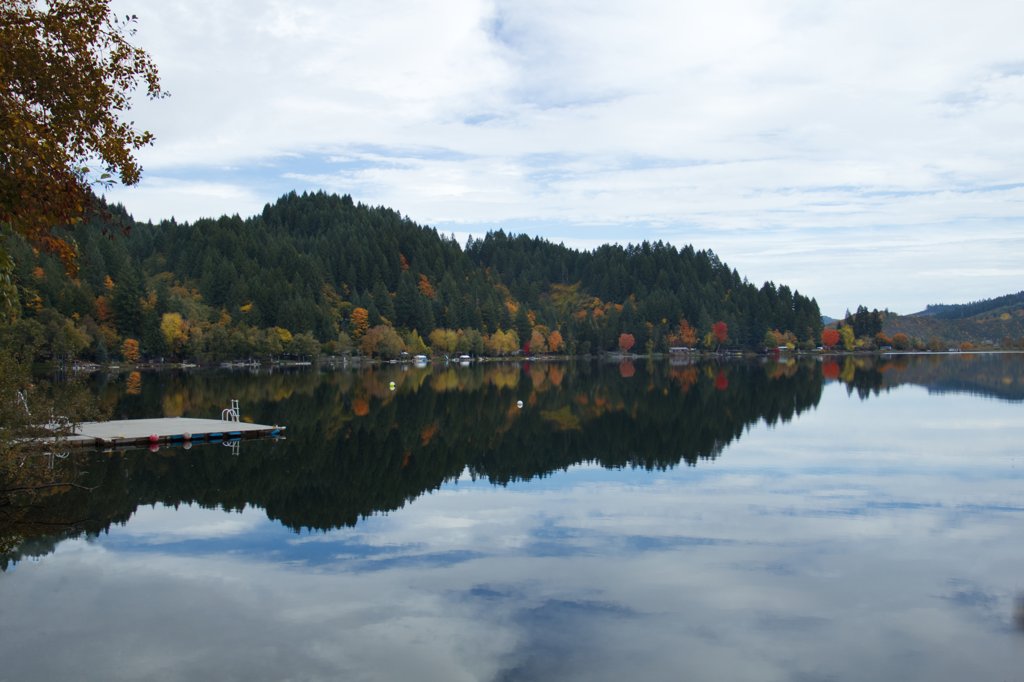
Summer lakes are layered. Warm water sits on top, cold water sits below, and a sharp boundary called the thermocline separates them. Plankton gathers along that boundary, oxygen runs thin below it, and shad eat the plankton while bass hang around the shad. It is a stable system, and summer bass are fairly predictable inside it.
Cooling air breaks the system down from the top. Surface water gets denser as it cools, sinks, and mixes the layers together. Plankton drifts, shad move to stay with their food, and bass move to stay with the shad. In reservoirs the move has a shape: shad slide from the main lake into creek arms, following the food and the fresh water that rain runoff brings into the creeks. Bass follow the same route, staging on points and channel edges along the way.
Two camps argue about what pulls the trigger, temperature or daylight. One side says the first shallow movement lands near the same week each year even when the water is still warm, and credits shortening days for killing the weeds and moving the plankton first. The other side says temperature runs the show, since lakes with the same daylight can run months apart on their seasons. Both cues move together in real life, so watch both: the days shorten first, the water follows, and the fish move when the two line up on your lake.
The fall route: main lake to creek back, then back out
The classic fall route runs main-lake points to creek mouths, then to secondary points inside the creek, then to flats, then to the backs of creeks. Fish it in order. The mistake is running straight to the back of a creek because that is where the pattern ends up, and fishing dead water while the bass are still staged halfway along the route.
A creek mouth with bait on it is worth an hour; one without bait is worth two minutes. One pro's rule is blunt: if there is no bait after a few minutes of looking, leave. The bait tells you where you are on the route, and the route tells you where the fish will be next week.
One counterpoint is worth knowing. Jason Christie, who fishes this pattern for a living, says not even half the fish make the trip to the backs of creeks. The big ones especially tend to stay near home: main-river flats, creek mouths, and the first two-thirds of a creek arm. So fish the whole route, but do not skip the middle of it chasing the end. Some of the best fall fish never leave the mouth.
Reading the thermometer
Temperature bands are a guide, not a rulebook: latitude, lake depth, and forage all shift them. But guides and forum anglers keep landing on roughly the same stages:
In the 70s, bass stage on points and main-lake banks near shallow water, still aggressive and still willing to chase a fast bait.
From the mid-60s down to the mid-50s, the fall feed peaks. Shad are in the creeks, bass are herding them on flats and points, and moving baits catch most of the fish: squarebill and medium-diving crankbaits, spinnerbaits, chatterbaits, lipless cranks, and topwater while the bait stays shallow. This is the window most anglers mean when they say fall fishing is great.
From the mid-50s down to the mid-40s, the big feed continues but the fish get harder to find and slower to react. Crankbaits still produce, fished slower and deeper, and slower presentations start producing: jigs, Texas rigs, and suspending jerkbaits with long pauses.
In the 40s, bass slide toward wintering water: channel bends, bluff ends, deep points, and the last green weed beds. Drop shots, football jigs, and Ned rigs fished painfully slow are the tools now.
One more wrinkle: strain matters. Northern-strain largemouth keep feeding well into the 40s, while Florida-strain fish shut down earlier and at warmer temperatures, faster after a sudden cold snap than a slow cool-down. A 55-degree day in Minnesota and a 55-degree day in Florida are not the same fishing.
Turnover: the week that ruins fall
Anglers on deep, stratified lakes will eventually run into turnover. When the surface cools to match the deep water, the whole lake mixes at once: the thermocline disappears, bottom water comes up, and the lake turns pea-green or gray with floating debris, a film on the surface, and sometimes a rotten-egg smell. Fishing goes bad for days, and the argument is over how many: some biologists and pros say the flip itself takes two or three days, while other anglers report two weeks before a given arm fishes right again. Both can be true at once, since the mixing is fast and the clearing is slow.
Turnover is patchy, though. Shallow arms and creek backs turn first, deep main-lake water turns last, and one cove can be green soup while another three miles away fishes fine. So do not write off the whole lake. Fish the water that has not turned yet, fish the edge where turned water meets clean water, or fish the ultra-shallow shoreline layer, which stays fishable while the deeper water mixes. In turned water itself, keep covering water with search baits: spinnerbaits, buzzbaits, and squarebills find the fish that are still feeding, and repeated casts to the same brush pile can pick off the ones holding tight.
After the lake settles, the payoff is real: oxygen is everywhere again, and bass that have barely eaten for days feed hard. Several anglers say the best fall fishing comes a week or two after the flip, not before it.
How to fish it: fast to find them, slow to catch them
Fall has a rhythm that works on most lakes. Cover water fast with a search bait until you find fish, then slow down once you have. A lipless crankbait or spinnerbait finds them; a jig or Texas rig catches the ones that will not chase. Keep moving after you find them and you leave fish behind; slow down before you find them and you fish dead water all day.
Our Best Crankbaits for Bass covers what to throw while you search, and our Best Spinnerbaits and Chatterbaits covers the other half of the moving-bait box.
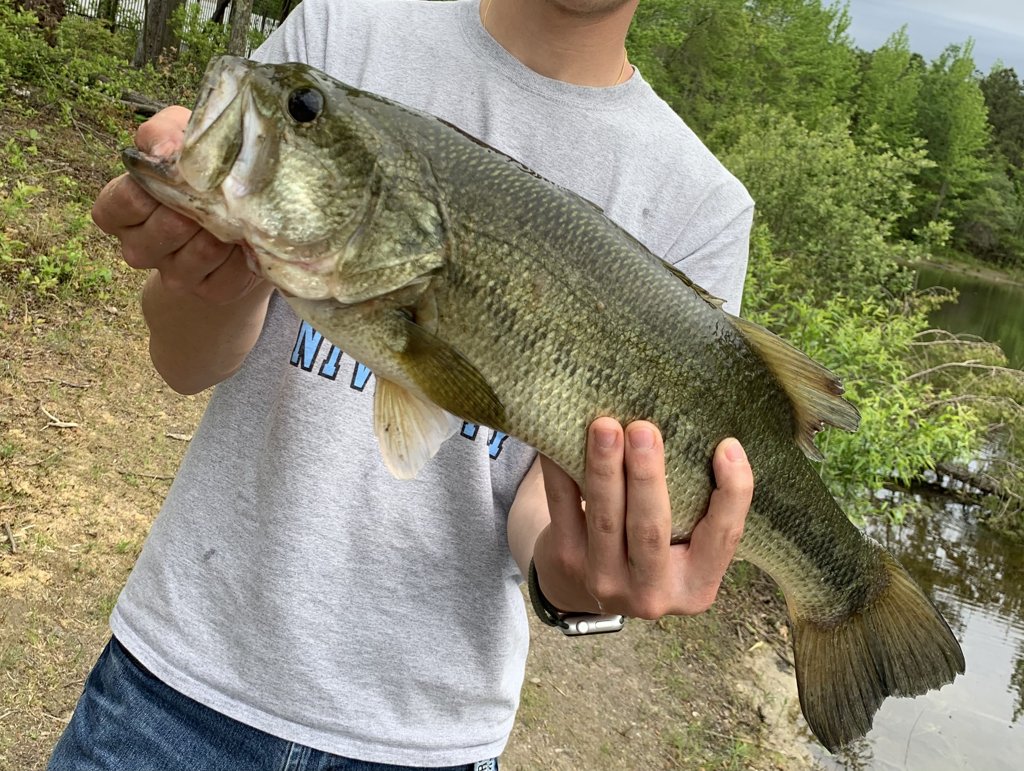
Three details separate good fall days from empty ones. First, fish the green weeds. Dying weeds use up oxygen as they rot, so bass leave them; the last green weed beds hold oxygen, bait, and bass into late fall, and a green edge next to dead weeds is one of the best spots on the lake. Second, fish the wind. Wind pushes plankton, plankton pulls shad, and shad pull bass, so a bank with two days of wind blowing into it beats a calm bank that looks better. Third, fish later in the day as fall deepens. Cold mornings make bass lazy until the sun warms the shallows, and the best window slides from dawn and dusk in early fall to late morning and afternoon in late fall. The same spot that is dead at 7 a.m. can be alive at 1 p.m.
Smallmouth play a different version of the same season. They are more structure-oriented than largemouth: rock piles, humps, creek channels, and ledges instead of docks and grass. On rivers they follow current and structure, not cover, and river smallmouth stay catchable surprisingly late, down into the high 40s, on tubes and other dropping lures fished in slower water, deep pools, and current breaks. They also stay active later into the cold than largemouth in lakes, so when the largemouth bite fades in late fall, a jerkbait or jig fished slow is still worth trying, not a different lake.
What fall really feels like
Here is the part that gets left out of the hype: fall is about size, not numbers. The fish you find tend to be bigger, but there are fewer of them, they are scattered instead of schooled, and some days the famous fall feed simply does not show up. One Minnesota angler saw a week-long cold front drop his lake from the high 70s to the low 60s, and the dock fish were gone, replaced by a jig-only bite. That is a normal fall week.
The trade is worth it. Pressure falls fast once hunting season starts, whole stretches of lake sit empty, and a 3-pound fall fish on a flat you have to yourself beats a summer crowd every time. Go in expecting to hunt, and do not judge the season by one tough day. The fish are moving. Move with them.
The bottom line
Fall bass fishing is a moving target, and that is the whole game. Cooling water breaks up the summer layers, bait slides into the creeks, and bass follow the bait along a route from main lake to creek back and back out again. Fish the route in order, read the thermometer in bands instead of magic numbers, work around turnover instead of through it, and slow down once you find fish. Do that, and fall stops feeling random.