
Mono is the line everyone learned on and half the veterans never left. It floats, which is why it still owns topwater. It stretches, which is why crankbait anglers forgive everything else about it. Backlashes do not sting on cheap line. And a few hundred real angler reports narrow the field fast: six monos survive their critics. Berkley Trilene Big Game is the one most anglers would keep if they could only keep one. Everything else wins a specific job.
The quick answer
Buy Berkley Trilene Big Game in 12 or 15-pound for your baitcasters. Spool Berkley Trilene XL in 8 to 10-pound on your spinning reels. Fish Sufix Siege when the cover gets nasty, P-Line CXX X-tra Strong when you want the most strength per dollar, Sufix Elite when you want premium limpness, and Stren Original when the knots need to be easy. One caution about buying by diameter below.
The picks
Berkley Trilene Big Game ~$8–12
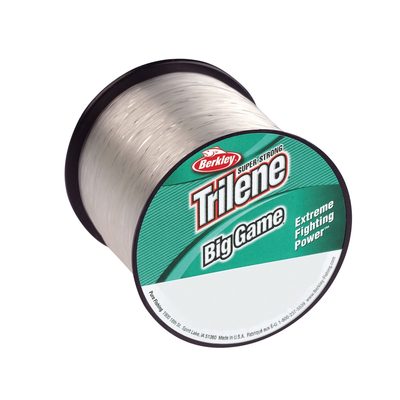
Ask around what mono to buy and the same answer comes back from too many directions to ignore. Big Game is the workhorse: cheap, tough, and abrasion-resistant enough that owners bend hooks before the line gives. TackleTour's lab measured 10-pound Big Game breaking at 11.8 pounds.
The buying math is the story. A 1,175-yard quarter-pound spool costs about eleven dollars, roughly a penny a yard. The premium fluorocarbon it replaced for most of these anglers runs about thirty-two cents a yard. When the line is this cheap, you respool often, and fresh line beats expensive line every time.
Two downsides. Memory: in heavy tests and cold water, owners describe it going "slinky" off the spool. A hot-water soak or a shot of line conditioner calms it down.
Not for: light-line spinning or anglers who fish below 10-pound test. That is the XL's job.
Berkley Trilene XL ~$6–12
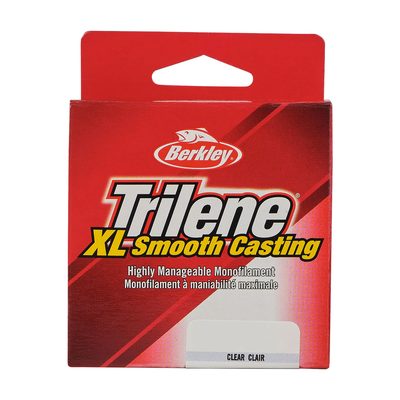
If Big Game is the workhorse, XL is the finesse player. Its signature trait is low memory: it comes off a spinning reel without the coils that ruin a cast. Outdoor Gear Lab called it a remarkable outlier among monos for exactly that reason. TackleTour's lab measured its knot strength at 97 percent of tested tensile, and owners report decades of loyalty without a complaint.
The lab tests also set the limits. TackleTour rated its abrasion resistance a middling 3 out of 5, and the forum record agrees: the most frequent complaint about XL is break-offs around wood and rock. One angler lost his best fish of the year and a three-pounder in the same day, respooled to Big Game, and called it a lesson learned. Multiple long-term users say the reformulated softer XL lost some of its old strength.
Fish it light and open: spinning reels, topwater, crankbaits, clear water. Keep it away from timber.
Not for: heavy cover, dock pilings, or anywhere the line will scrape. That is Siege's job.
Sufix Siege ~$9–13
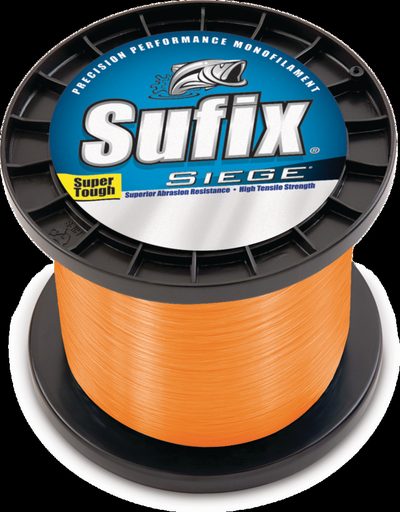
Siege is the fastest-growing consensus pick in the forums, and the Tackle Warehouse reviews are the strongest of any line in this guide: ten of thirteen reviewers use words like "unbreakable." Owners report straightening hooks before the line snaps and breaking tree branches off snags. The abrasion coating is rated at 15 times standard mono, and a Lake Erie reviewer fished it through zebra mussels without a failure.
It also wins the memory battle. Sufix's G2 precision winding means the line comes off the factory spool already behaving, and owners report virtually no memory for months. Stretch measured third-lowest of eighteen lines in an independent test, so it fishes closer to fluorocarbon than the price suggests. The one dissent: a single reviewer found it did not hold knots well. Thirteen reviews, one complaint.
Not for: finesse spinning or anglers who want the absolute cheapest spool. Big Game covers the budget corner.
P-Line CXX X-tra Strong ~$10–15
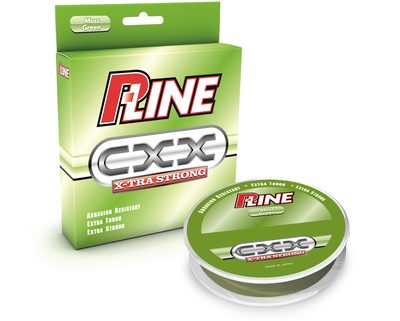
CXX is technically a copolymer, not pure mono, but it fishes the same way and nobody in the forums makes the distinction when it matters. The claim is simple: it breaks far above its rating. Force-gauge testing by owners measured 12-pound CXX breaking at 22 to 25 pounds. Owners fish it through riprap and concrete where other monos fray, and Field & Stream's testing found it outperforming fluorocarbons and braids on sharp edges.
The trade is stiffness. CXX has the most memory of any line here, and it gets ornery in cold weather: multiple owners report it coming off a baitcaster spool in coils on hard casts below about 35 degrees. Keep it at 8-pound and under on spinning reels, or run it as a leader. This is a baitcaster line.
Not for: cold-weather finesse or anyone who hates managing line memory. That is the XL's job.
Sufix Elite ~$10–14
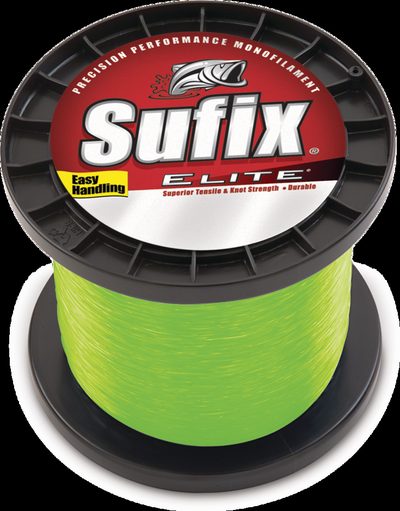
Elite is Field & Stream's overall pick for bass line, and the lab numbers back it up: TackleTour measured knot strength "way above par," with testers straightening hooks before the line snapped. Owners report it staying limp for nearly a full season.
The common forum split is Siege for baitcasters, Elite for spinning. Elite handles better on a spinning reel but gives up some abrasion resistance to its tougher sibling. One saltwater reviewer shredded it on oyster beds, which is an extreme case but tells you where the limit is.
The catch is price. It costs a few dollars more than the other monos here, and Field & Stream lists that as its only real con.
Not for: heavy cover where abrasion is the whole game. Siege costs less and takes the beating.
Stren Original ~$8–10
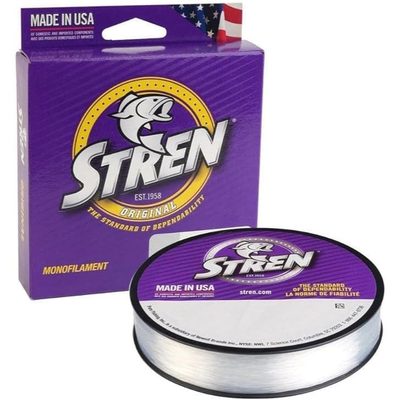
Stren has been around since 1959, and Field & Stream's editors say they have "yet to find another line that's easier to tie knots with." That is the whole case: beginners lose fish to bad knots more than to any line deficiency, and Stren seats cleanly in a Palomar or improved clinch every time.
The complaints converge on durability. Field & Stream calls it out for heavy cover, and Wired2Fish notes it can get brittle if it sits on the reel unused. It also runs the stretchiest of any mono tested: nearly thirty inches in an eighteen-line stretch test. Fine for crankbaits, less fun for hooksets at distance. Respool it each season.
Not for: heavy cover or anglers who leave line on the reel for a year.
When mono still beats braid and fluorocarbon
Braid won the sensitivity war and fluoro won the invisibility war, but mono kept three jobs. Our Best Braided Line for Bass covers the braid side; here is where mono answers back.
Topwater. Mono floats; fluorocarbon sinks and drags a walking bait or buzzbait down, which ruins the action. The 2025 "love letter to mono" thread on BassResource is full of converts who switched their topwater rods back to mono and stopped missing strikes. Topwater Lures for Largemouth Bass covers the lures that pair with it.
Crankbaits and treble hooks. Mono's stretch cushions the hookset so trebles stay pinned. Braid rips them out on a hard set. This is the most repeated technique claim in the forums.
Backlash practice and beginners. A professional overrun on a $30 braid spool hurts. A backlash on Big Game costs about a dollar of line. Cut it out, respool, keep fishing.
Water clarity is the trigger for the mono-vs-leader question, and it is the kind of conditions call BiteLab was built around. Stained water and heavy cover: straight mono. Clear water and pressured fish: that is when the fluorocarbon leader conversation starts.
Buy by diameter, not the number on the box
The single most useful buying rule in the corpus: American monos are rated conservatively. One Tackle Warehouse reviewer laid out the math. Berkley's 15-pound Big Game actually breaks around 23 pounds. The 12-pound is closer to 18. So if you have been fishing 15-pound Big Game for years and switch to a Japanese line like Sunline Super Natural, which is rated at true breaking strength, you need the 20 or 25-pound to get the same real strength.
This cuts both ways. P-Line CXX's 12-pound breaks at 22 to 25 because there is simply more nylon in it. Compare diameters, not pound tests: 8-pound Trilene XL is .010 inch, Stren's 8-pound is .011. That thousandth of an inch is the whole difference in abrasion.
Knots that hold
Mono is forgiving, which is why the knot advice is short. The Palomar is the default: strong in every line here and the one knot beginners should learn first. The improved clinch is the runner-up. Wet every knot before cinching; a dry clinch is where most knot failures start. And retie after every fish that mattered. At a penny a yard, there is no excuse.
What to skip
- Cajun Red. The stretch is the story: one owner called it the stretchiest line he had ever used, and watched it snap mid-cast on a crankbait four separate times before stripping it off every reel. The red tint does not catch more fish, and the stretch costs you hooksets.
- Silver Thread. An independent break-strength test found it lacking abrasion resistance and prone to kinking, which progressively weakens it. The lone forum fan is outvoted by the test data.
- No-name bargain mono. The failure mode is always the same: inconsistent spools, mystery diameters, and a lost fish you will think about for a week. One forum veteran's rule: "stay away from store brand lines or the 27,000-yard MegaSpool for $2.99. Stiff, with more memory than an elephant."
- Trilene XT above 12-pound. The tough brother of XL, but owners describe heavier tests as "like fishing with wire." Fine at 10 and 12; miserable above.
- Berkley Trilene Big Game Fluorocarbon. A different product from the Big Game mono in this guide, and its reviews are rough: 3.3 stars with twist and spooling complaints. Do not grab the wrong box.
The bottom line
Six monos, six jobs: Big Game for almost everything, XL for spinning reels, Siege for heavy cover, CXX when strength per dollar matters most, Elite when you want it limp and premium, Stren Original when the knots need to be easy. Buy by diameter, wet your knots, and respool often. The cheapest line in the shop is still catching most of the fish.