The oldest argument in pond fishing
Walk the bank of any farm pond with a bucket of shiners (small live minnows) and someone will tell you that you are cheating. Walk it with a tackle box full of plastics and someone else will tell you that you are making it harder than it has to be. Both of them are half right.
The short version: live bait catches more fish, more of the time, in a pond. Lures catch fish faster across more water, cost less over a season, and work better in heavy cover. The pond, the season, and the fish you are after decide which one wins on a given day. And the anglers who catch the most pond fish use both, in the same trip, on purpose.
Why live bait catches more
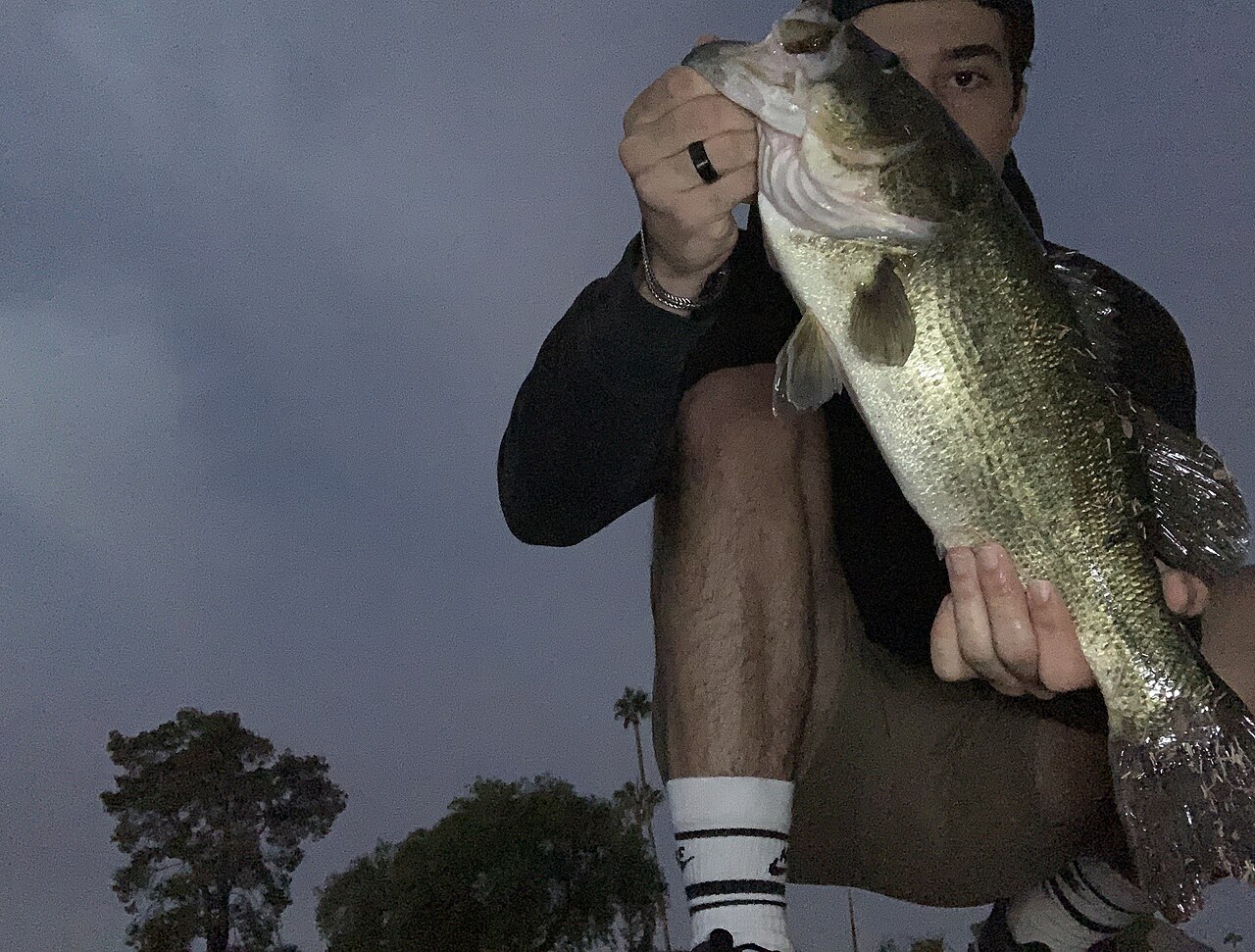
A bass given a choice between a real shiner and a plastic one will take the real one almost every time. Live bait brings three things at once: scent, movement, and taste. A lure can fake one or two of those, not all three.
It works when fish will not chase. Cold water, a front moving through, a pond fished hard all week. A fish that will not swim ten feet for a spinnerbait (a lure with a flashing metal blade) will still pick up a worm sitting on the bottom in front of it.
It catches the fish lures skip. Bluegill and crappie lean hardest toward live bait. A worm under a bobber or a minnow under a slip float (a bobber that slides on the line so you can fish deeper water) will catch bluegill and crappie on days when small jigs get ignored. For crappie, the published guides agree: few things outfish a lively one-and-a-half to two-and-a-half inch minnow when the fish are around.
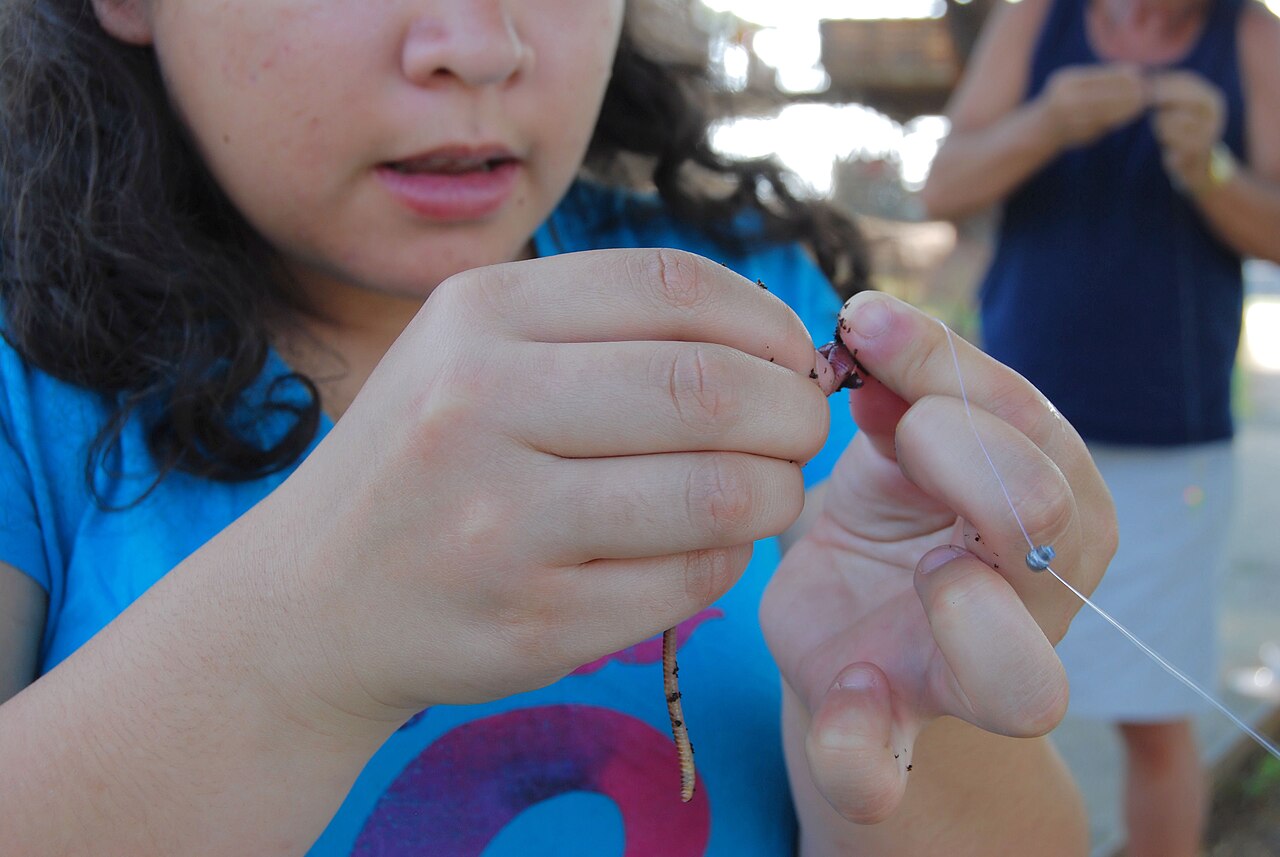
It is the easiest way to learn. A worm on a hook under a bobber needs no retrieve to learn and no lure choice to get wrong. The bobber goes down, you lift the rod. Kids start here for a reason, and so should any adult who has never fished a pond.
It still catches the biggest bass, sometimes. Many Florida guides who fish for trophy clients rely heavily on wild shiners, and some run live-bait-only trips. But plenty of experienced anglers report their largest bass came on lures, and the split seems to depend on which bait and which lure you mean. A big shiner beats a small worm. A big swimbait beats a small shiner. Treat the trophy question as unsettled, not settled.
What live bait costs you
Live bait catches more fish, but it has real costs, and they are worth counting before you commit to it.
It is slow. A live bait rig fishes one spot. You cast it out and wait. A lure angler can work a whole pond bank in the time a bait angler fishes two spots. On a pond you have never fished, that difference matters: lures find the fish, live bait waits for them.
It needs keeping alive. Minnows need an aerator (a small battery pump that bubbles air into the bucket) and shade, or they die in the heat. Worms need a cool container. Crickets escape. Shiners are the worst of it: they cost real money per trip, die fast in a hot bucket, and one dead dozen is money in the trash.
It gut-hooks fish. A bass that swallows a live worm deep is harder to unhook cleanly than one hooked in the lip on a lure. If you plan to release your fish, this is live bait's real downside, and it is the one its own users bring up most. Circle hooks (hooks shaped so the point turns inward, so they catch the corner of the mouth instead of the throat) reduce deep hooking and make unhooking easier, though for largemouth bass the mortality benefit is small, and so does setting the hook early instead of letting the fish run with the bait.
It catches everything. Perch, catfish, turtles, and bait-stealing bluegill all love a worm. One guide fishes plastic worms instead of nightcrawlers because perch kept swamping his crawlers, and every missed bite meant reeling in to check the bait. A plastic stays on after a miss. A worm does not.
It can be boring. Sit-and-wait fishing is the reason some anglers quit live bait entirely. One veteran who fished shiners for forty years switched to artificials and put it plainly: he catches fewer fish now, and he likes fishing more.
Why lures earn their place
Lures lose the head-to-head on catch rate and win almost everywhere else.
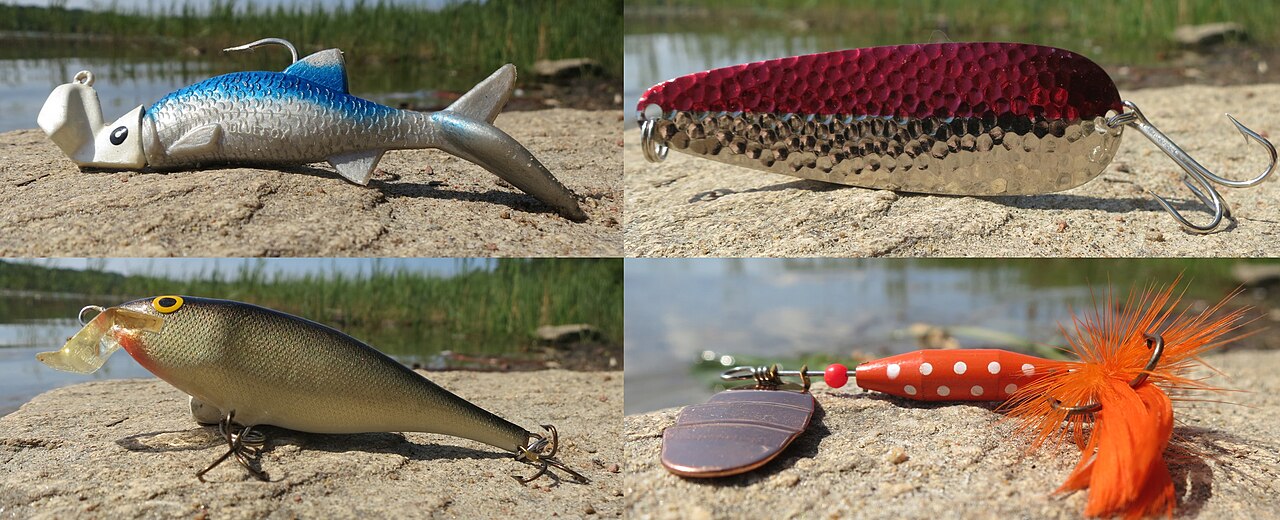
They cover water. A spinnerbait, a lipless crankbait (a hard lure that vibrates as you reel it), or a soft stick bait (a straight soft-plastic worm about four or five inches long) can be cast to a dozen spots in ten minutes. On a new pond, that is how you find where the fish are. Live bait tells you whether fish are in the one spot you picked. Lures tell you where the fish are in the whole pond.
They fish heavy cover. A Texas-rigged worm (the hook threaded weedlessly through the bait so it slides through weeds without snagging) or a frog worked over a mat goes places a live minnow cannot. A live baitfish swims where it wants and wraps itself in the weeds. A weedless lure goes where you put it.
They cost less over a season. Lures are a bigger buy up front and then they are free, trip after trip. Live bait is cheap per trip and never stops costing. The exception is bait you catch or dig yourself, which is free but eats fishing time.
They are always ready. No bait shop stop, no aerator, no cooler, no mess on your hands. A rod and a small box ride in the back seat and stay there. Several pond regulars fish lures most days for this reason alone, even knowing live bait would catch more.
When each one wins
The split is not one side or the other. It is a set of conditions, and the same pond flips between them across a season.
Live bait wins when the bite is slow. Cold water, post-front skies, heavily pressured fish, or a pond you already know holds fish in one spot. Fish a worm or a minnow under a float and let scent do the work. It is also the right call for kids and first-timers.
Lures win when you need to find fish. New pond, warm water, active fish, a big bank to cover. Start with a moving bait, a spinnerbait or a small crankbait, and work the water fast. If nothing chases, slow down to a soft stick bait, fished weightless.
Live bait wins for panfish, almost always. Bluegill and crappie feed mostly by sight, but a real worm or minnow still beats a jig for them most days: it moves, it tastes real, and scent helps most in murky water. A piece of worm on a small hook, a cricket under a bobber, or a minnow under a float will outfish jigs most days. The artificial exceptions are real but narrow: micro jigs in the one-sixty-fourth to one-hundredth ounce range, tiny scented plastics, and small inline spinners.
Murky water is a genuine disagreement. Some sources say bait wins in muddy water because scent beats sight. Others say bright, noisy lures are the answer, because vibration and flash are what fish can find. Both work, for different reasons, and scented plastics sit in the middle: a soft plastic with scent built in gives you a lure's castability with some of a worm's smell.
Pressured fish can go either way. The usual line is that live bait coaxes wary fish that have seen every lure in the shop. But several experienced anglers argue the opposite: a subtle soft-plastic worm, fished slow, can outfish a live worm when bass are cautious. On a pond that gets fished every day, try both before you decide.
The hybrid: fish both, in one trip
The best pond anglers in the sources we read do not pick a side. They run a two-rod system.
Find them with a lure, catch them with bait. Work the bank fast with a spinnerbait or a soft stick bait until you get a bite or a follow. Then drop a live bait in that exact spot. The crappie version of this is standard practice: find the school with a jig, then drop a minnow on a float in the same place. Our guide to Bluegill and Panfish: The Perfect First Fish covers the panfish side in full.
Tip the jig. A jig tipped with a minnow, or a small plastic tipped with a Crappie Nibble (a tiny scented bait pellet), gives you flash and scent together. Hook the minnow through the lip or head so it sits upright, and fish it with a slow lift and drop instead of sharp jigging, which spooks finicky fish.
Run a live bait rod while you cast. Set a shiner one or two feet under a bobber, lean the rod against a forked stick or a rod holder, and cast lures with your other rod. The live bait fishes while you search. Anchor the rod, because a big catfish will drag an unanchored one into the pond. One legal note: using a game fish like a bluegill as bait is illegal in some states, so check your state rules before you fish a live bluegill for bass.
Start kids on bait, graduate them to lures. The first trip should be a worm under a bobber, with bites every few minutes. Starter-kit plastics, the cheap lures in a boxed combo, produced zero bites for more than one kid in the threads we read, and zero bites can end a kid's interest in fishing before it starts.
Mistakes that cost fish on either side
With live bait: threading a long worm tail on a tiny hook lets bluegill strip the bait without ever touching the point. Thread a one-inch piece up the shank instead, and set the hook early: waiting too long lets the fish swallow it deep. Reeling in to check the bait after every nibble wastes the trip.
With lures: switching lures every five casts without giving any of them a fair chance. Fishing too fast in cold water. Throwing lures that are too big for the pond. Making noise at the water's edge: pond fish spook easily, and one bad cast can put a small pond on alert. Our guide to Pond Hopping: How to Fish Small Water covers the stealth side in detail.
With both: bringing the wrong size. Panfish need small hooks and small baits, and the most repeated advice in the bluegill threads was two words long: go small. And using the same red-and-white bobber the fish in a pressured pond see every day: anglers report the fish get wary of it. Fishing weightless and watching the line instead is worth trying on a pressured pond.
The bottom line
Live bait catches more fish. Lures catch fish faster, cheaper, and in more places. If you are fishing with a kid, fishing a pond you know, fishing for panfish, or fishing a slow bite, start with live bait. If you are exploring a new pond, fishing heavy cover, or covering a long bank, start with lures. And if you want the most fish in a day, do what the best pond anglers do: find them with a lure, then drop a worm or a minnow where you found them. The argument is old because both sides are right, just not on the same day.