The bait that does its best work standing still
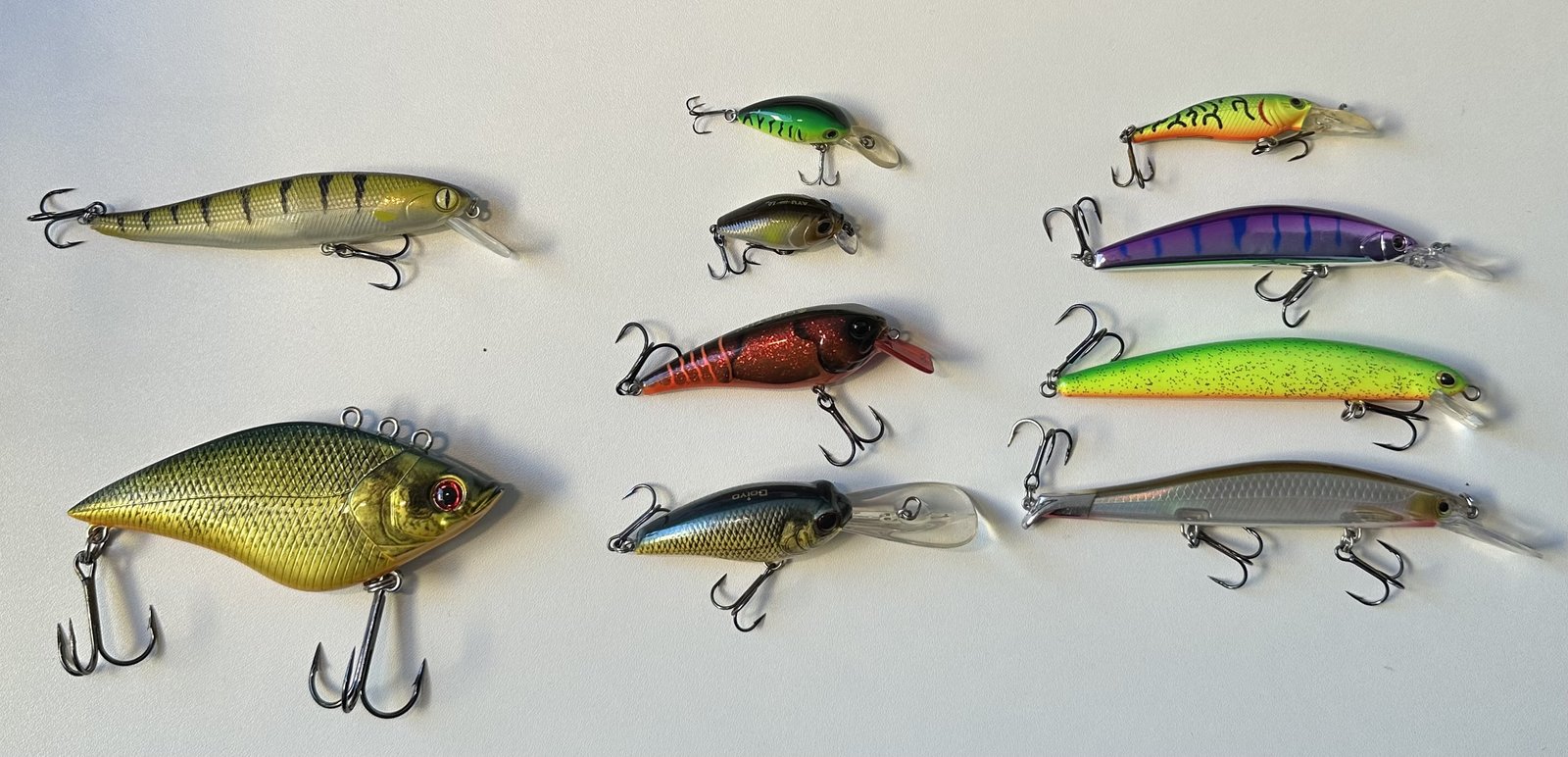
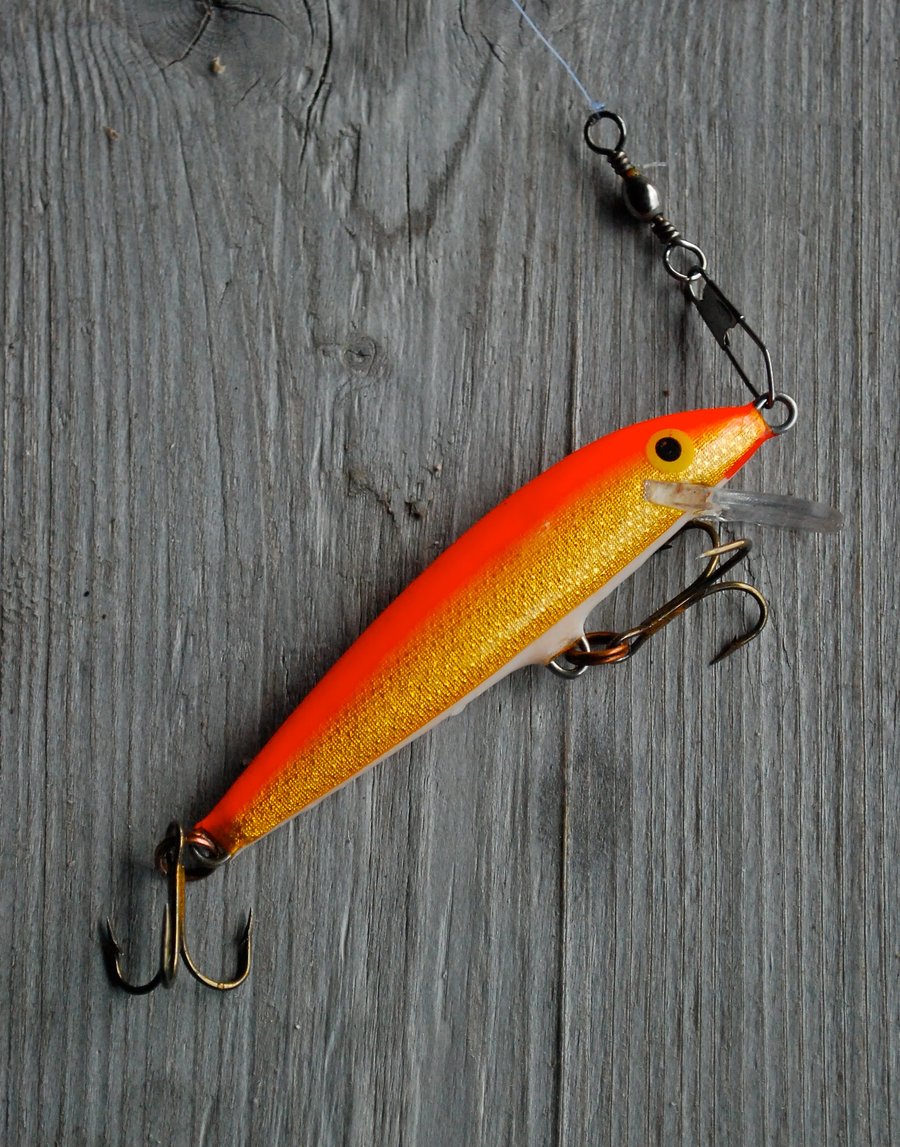
A jerkbait looks like nothing special in the package. It is a hard minnow-shaped plug, about four to five inches long, with a small lip on the front and two or three treble hooks hanging underneath. Cast it out and reel it straight back and it wobbles along like a mediocre crankbait. That is not how it catches fish.
The short version: snap it with the rod so it darts sideways, then let it sit motionless. The bite comes on the pause, or the instant you twitch it after a long pause. Everything in this guide is about getting that pause right.
What the bait is imitating
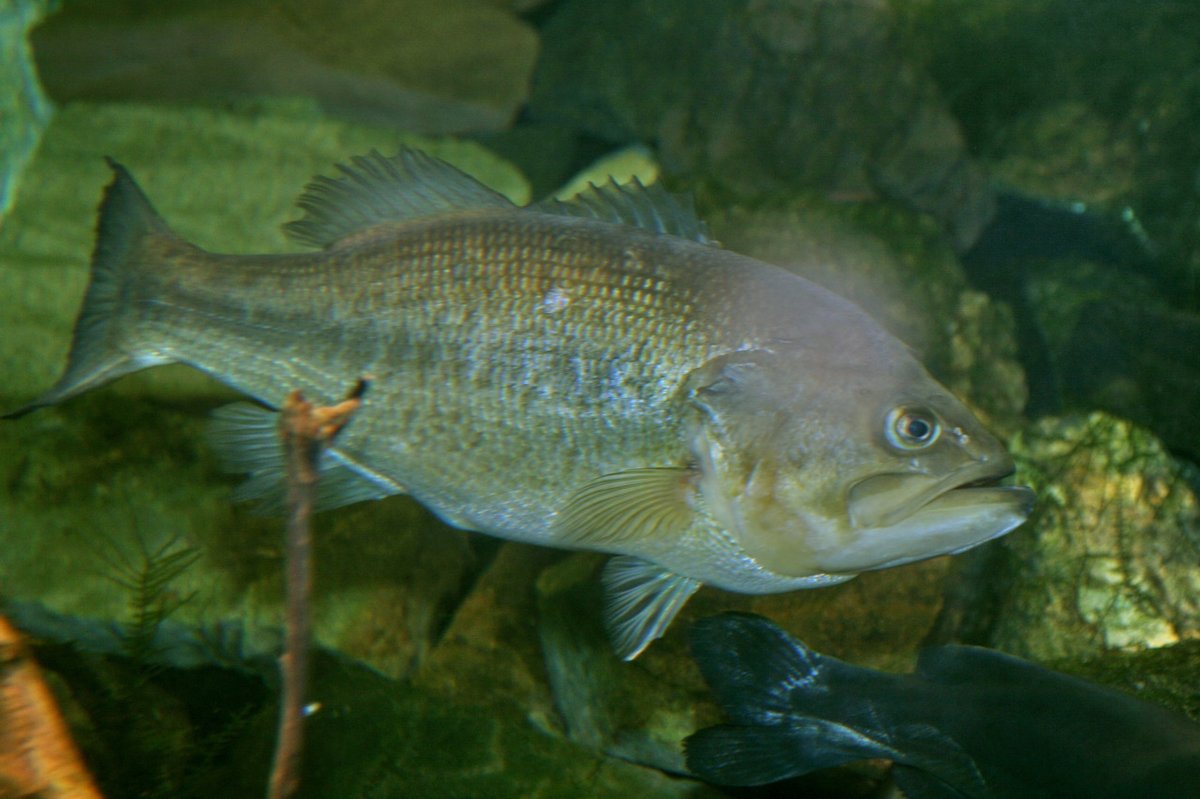
A jerkbait imitates a dying shad, the small baitfish bass eat all winter. A healthy shad swims in a straight line. A dying one darts, stalls, and hangs in the water, too weak to swim away. The jerkbait copies that exactly: the rod snap is the dart, the pause is the stall. A bass will follow a darting bait for yards without committing, then eat it the moment it stops moving and looks helpless.
That is why it works best in cold water. In the 40s and low 50s, a bass will not chase a fast crankbait across a flat, but it will slide up behind a bait that hangs in front of its nose for ten seconds and eat it when the bait twitches again.
The retrieve: jerk, jerk, pause
Start with the default cadence: two short snaps of the rod, then a pause. Jerk, jerk, pause, all the way back to the boat.
Move it with the rod, never the reel. Point the rod tip down toward the water and snap it down and to the side, from about three o'clock to five o'clock, in short strokes. Then point the tip back at the bait and take up the slack with the reel while the bait sits. The reel only gathers line. If you move the bait by reeling, it swims forward in a straight line instead of darting sideways, and a reeled jerkbait is a poor crankbait.
Fish on slack line. Each snap has to start and end with slack in the line, because slack is what lets the bait dart and turn instead of swimming. After every snap, drop the rod tip back toward the bait so the line goes slack again. If the line stays tight, the bait just pulls forward.
Reel it down to depth first. Do not jerk the instant the lure splashes down. Reel it down a few turns first so it reaches its running depth, then start the cadence.
Watch the line on the pause. A pause bite is often never felt. The line just goes slack, twitches sideways, or the bait disappears in clear water. Keep your eyes on the line while the bait sits and set the hook the moment it does anything odd. Some anglers only discover the fish is already on when they go to jerk again.
The pause is the whole technique
If there is one rule in this guide, it is this: the colder the water, the longer the pause. Every angler and every source we read agrees on the direction, even though the exact numbers vary by lake and species.
In water in the 60s, pauses of two to five seconds are enough, and you can keep the bait moving almost constantly. Around 50 degrees, a pause of five to eight seconds is the starting point. In the low 40s, the pauses stretch out: tournament angler Mike McClelland fishes twelve to fifteen seconds between twitches in cold water, and sometimes thirty. Guide Steve Pennaz notes there may be times when a pause of ten, twenty, thirty, or even fifty seconds is needed in extreme cold.
A thirty-second pause feels like an hour the first time you try it. Count the pause out loud so you can repeat the exact length that produced a bite. Start a little faster than you think will work, then slow down until the fish answer. If fish follow the bait to the boat and turn away without eating, the usual fix is not a different bait. It is a longer pause.
After a cold front, add two or three seconds to whatever pause was working. The fish get slower and more cautious, and the bait has to hang longer to get eaten.
When to throw it
Cold water, clear water, prespawn. The prime window runs from late fall through spring, roughly 40 to 55 degree water, and the prespawn stretch in late winter and early spring is when the technique is at its best. Bass are staging on points and channel swings, feeding up before the spawn, and a suspending bait hanging in front of them is hard to refuse.
It works year-round if you change the speed: in warm water, fish it fast and aggressive as a reaction bait, with hard snaps and short pauses. But once the water passes the mid 50s and bass start chasing, a crankbait covers water better, so summer is the jerkbait's weakest season.
Clear water is close to a requirement. A jerkbait is a visual bait. The bass has to see the dart and the long hang, so in water with less than about two feet of visibility, switch to something the fish can find by vibration, like a jig. If it is muddy, pick another bait.
Where to cast it. Fish it where bass can change depth without swimming far: main-lake points, bluff banks, channel swings, sloping banks, standing timber, docks, and submerged brush. Sunny days with a little wind help, because the light and the chop break up the bait's outline during long pauses. Overcast days still work, with duller colors.
Suspending, floating, or sinking
Jerkbaits come in three buoyancy types, and water temperature decides which one to tie on.
Suspending. The bait hangs motionless in the water column when you stop reeling. This is the cold-water weapon, and the one most of this guide is about. True suspenders hold their depth through a long pause, which is what makes the technique work.
Floating. The bait rises slowly toward the surface on the pause. Fish it from the mid 50s up, worked harder and faster as a search bait.
Sinking. The bait drops slowly on the pause. Useful in the coldest water, down near freezing, where a bait that sinks a little stays in front of deep fish.
Do not trust the word suspending on the box. There is no standard behind it: some baits labeled suspending hover for a second and bob up, others sink. Test every bait before you fish it. Cast it out in clear water and watch what it does on the pause, or sink-test it in cold water with the hooks on. If it floats up or sinks when it should hang, tune it: add a small adhesive weight dot (sold as SuspenDots) one at a time until it hangs level, or swap to a slightly heavier or lighter split ring. Weight toward the lip makes it run deeper; weight toward the tail makes it run shallower. Add weight in dots, not in a lump. A big dose of weight kills the darting action.
One caution: the Megabass Vision 110 is sold as a slow floater in its original US form, not a true suspender, though current freshwater variants are listed as suspending. In practice the original floats up so slowly that it fishes like a suspender, and in warm water it can even sink slowly. Its buoyancy shifts with water temperature, which is one more reason to test every bait in the water you are fishing, not just trust the box.
The gear: rod, reel, and line
Rod. A six-and-a-half to seven-and-a-quarter foot medium-power rod with a moderate or moderate-fast action is the consensus setup. The soft tip matters twice over: it loads on the snap so the bait darts instead of dragging, and it gives a little on the hookset so the small treble hooks stay pinned. A medium-heavy rod with a fast tip is too stiff for hard jerkbaits and costs fish. A shorter handle helps, because a long butt catches on your jacket every time you snap the rod down.
Reel. Either a baitcaster or a spinning reel works. Spinning gear suits lighter baits and windy days. Baitcasting gear handles the hookset better and picks up slack faster. Reel speed is a real disagreement: some anglers run a mid-range 6:1 or 7:1 so they do not over-pull the bait between twitches, while others run a fast 7.5:1 or 8.2:1 to take up slack quickly after each snap. Either works as long as the rod moves the bait and the reel only gathers line.
Line. Ten to twelve pound fluorocarbon is the default. It sinks, which helps the bait reach and hold depth, and it is nearly invisible. A few experienced anglers dissent on purpose: eight to ten pound monofilament floats, so it will not nose-dip a suspender the way heavy fluorocarbon can on a very long sit. Braid straight to the bait is the one thing to avoid. It floats and lifts the bait's nose on the pause. If you want braid's casting distance, run it to a long fluorocarbon leader instead.
Our Best Fluorocarbon Leader Line for Bass guide covers the leader end of this in full, and our Best Braided Line for Bass Fishing guide covers braid mainline and leader setups.
Snap or knot. Anglers are divided on this one. A snap makes lure changes fast, and some anglers swear it frees up the bait's action. The counterpoint is that even a tiny snap adds weight to a factory-tuned suspender and can turn it into a slow sinker, which ruins the dead-stick pause. If you use snaps, keep them small and check the bait's buoyancy with the snap on. A loop knot, which leaves a small loop at the lure's nose so the bait swings freely, is the safer default when the pause matters most.
Picking a color without owning thirty of them
Three buckets cover nearly every situation, and you do not need a tackle box full of jerkbaits to fish the technique well.
Stained water or cloudy days: matte, muted, solid finishes. Chartreuse and white work here too, especially in low light.
Sunny days: chrome and flashy finishes. The flash reads as a fleeing baitfish in bright light.
Clear water: translucent, natural shad patterns that look like the real thing.
Smallmouth lean brighter than largemouth: chartreuse, orange, and red. If fish follow but will not eat, change the pause first, by a second or two, before you change the bait. If followers keep turning away, try an orange or chartreuse stripe on the belly. It is a cheap fix tournament anglers use more often than they admit.
Mistakes that cost beginners fish
Fishing too fast. The number one mistake is too many jerks and not enough pause, so slow down until the fish tell you the speed.
Trusting the box. A bait that floats up or sinks on the pause is not fishing the way you think it is. Test it first.
Setting the hook like a jig fisherman. A hard overhead hookset rips small treble hooks out. Sweep the rod to the side instead, and let the hooks do their work.
Learning it in midwinter. Lauren Smith of Hook'd Fishing Gear blanked on one cold January day with only "twitch, twitch, pause" as guidance, then did not try the bait again until fall, when she tied it on one day and fished nothing else until she had caught something. Five fish later she had sort of gotten the hang of it. Cold water is where the technique shines, but the pauses are longest and the learning curve is steepest there. Fall is the easier season to learn in: shorter pauses, more willing fish.
The bottom line
A jerkbait is not a cast-and-retrieve lure. It is a cast, snap, and wait lure, and the wait is the technique. Two short snaps, a long pause, eyes on the line. Fish it slow in cold water, slower than feels right, in clear water over points and bluffs. Test the bait's buoyancy before you trust it, and change the pause before you change the bait. The anglers who catch fish on jerkbaits are not the ones with the fastest hands. They are the ones who can leave a bait sitting still for thirty seconds and believe something is about to happen.