The number on your phone is a forecast, not a fish finder
Open any fishing app and the barometer is right there next to the wind and the temperature. Barometric pressure is the weight of the air above you, measured in inches of mercury (inHg), and the folk wisdom around it is some of the oldest advice in bass fishing: fish feed hard before a storm, then shut down after the front passes.
Here is the short version. The folk wisdom is mostly right about what happens and mostly wrong about why: a falling barometer reliably predicts the clouds, wind, and low light that turn bass on, while a rising barometer predicts the bright, calm, bluebird days that turn them off. The pressure number itself is almost certainly not the mechanism. It is a weather forecast in a single number, and once you read it that way, it becomes genuinely useful instead of a reason to stay home.
What the numbers mean
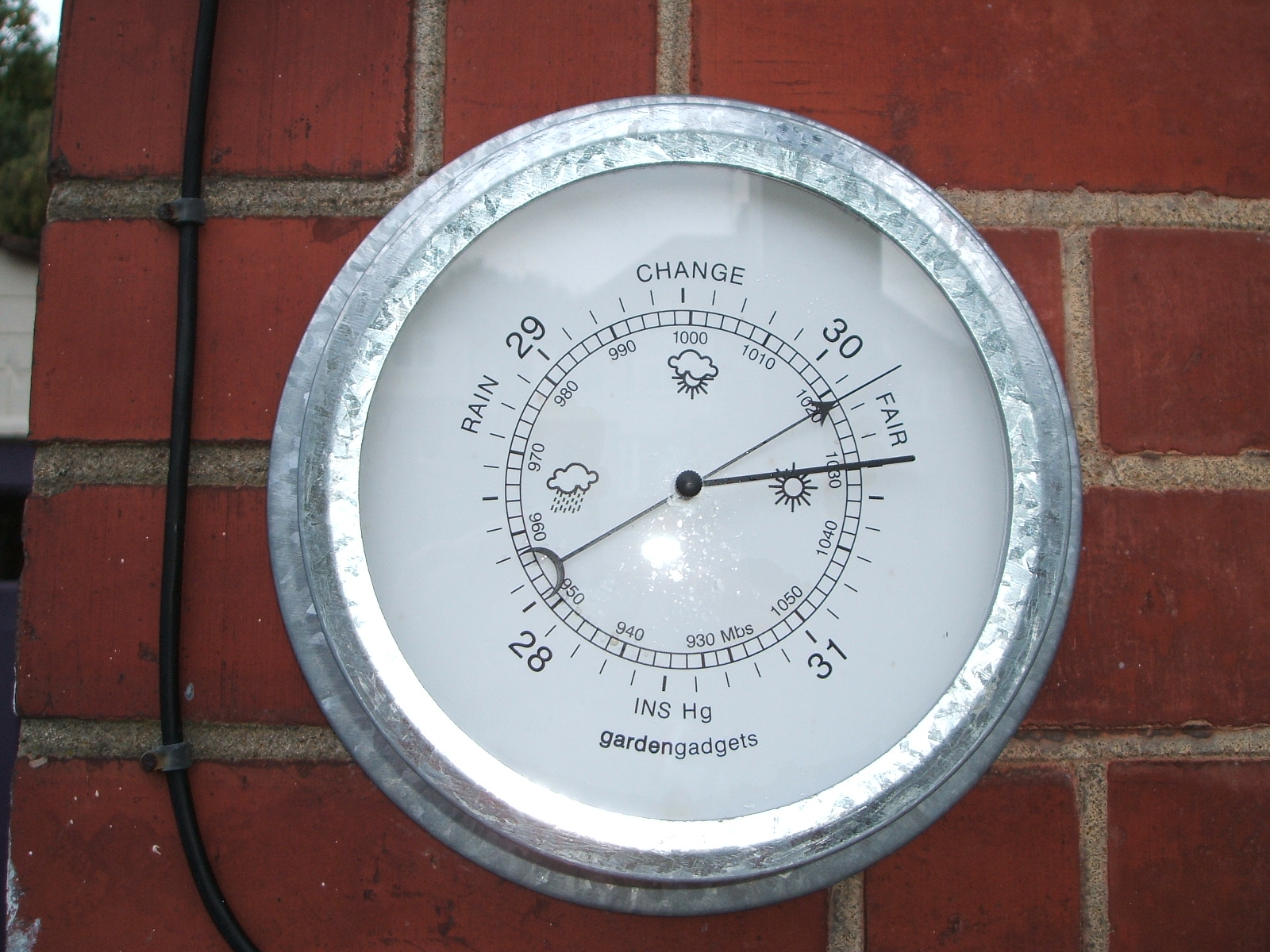
Standard pressure at sea level is 29.92 inHg. Anglers usually sort the readings into three rough bands: low is below about 29.80, normal runs about 29.80 to 30.20, and high is above about 30.20. Those bands are rules of thumb, not lines in the water. The trend matters more than the reading. A barometer sitting at 30.40 after three calm days is a different day from a barometer that just jumped to 30.40 in the hours after a front blew through.
One more wrinkle before you trust the number on your screen. Most apps show pressure corrected to sea level, so the reading is comparable across elevations. The actual air pressure where you stand is lower if you fish high country. A Denver angler reading 24.90 on a raw gauge is looking at a normal day, not a hurricane. Check whether your app shows corrected or station pressure before you compare numbers with anyone.
A cold front typically drops the barometer 0.15 to 0.40 inHg over 12 to 24 hours. The National Weather Service calls a change of 0.06 inHg or more per hour "rapidly" rising or falling. That sounds like a lot of air moving, and it is, for us. For a fish, it is almost nothing.
The physics problem with the folk wisdom
Here is the part that makes the old-timers grumble: water is heavy. Every foot of depth adds about 0.43 pounds per square inch of pressure on a fish. The whole swing of a strong cold front changes the air pressure by roughly 0.15 to 0.20 psi. A bass that swims up or down a few inches feels a bigger pressure change than any front ever delivers. A bass at 33 feet down is already under a full extra atmosphere of water pressure, about 14.7 psi, before the weather gets a say.
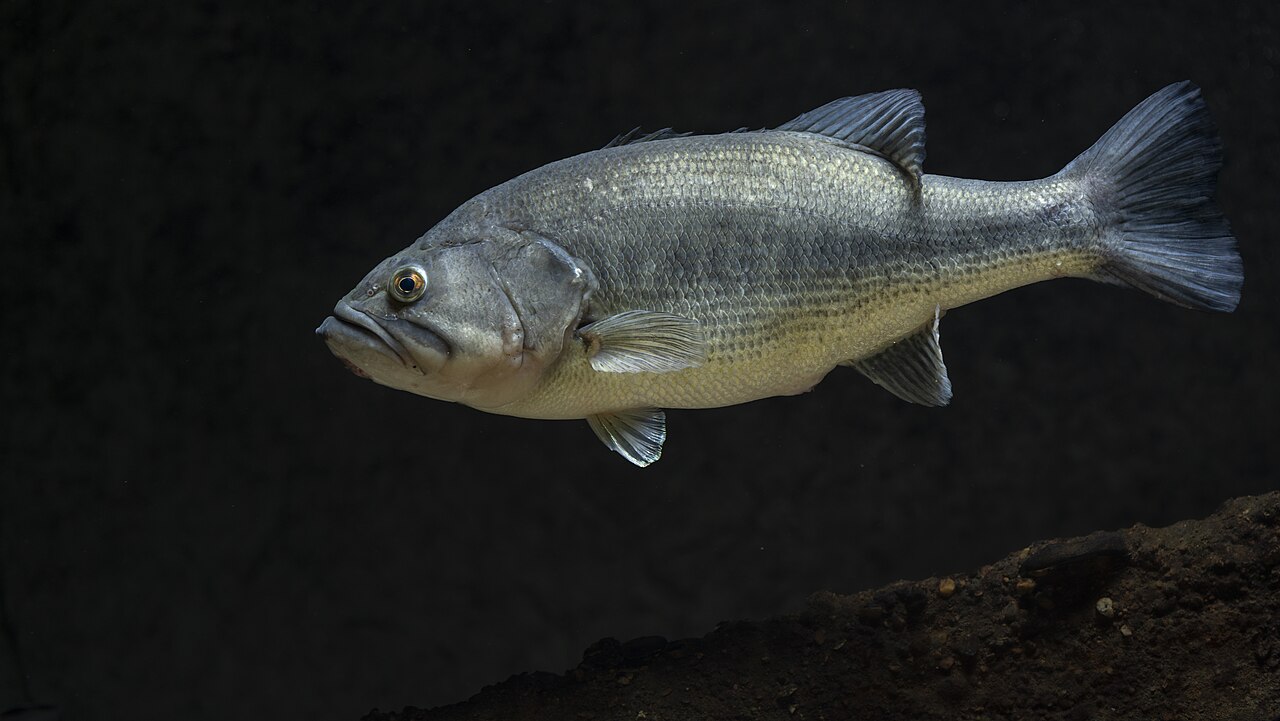
That math is why fisheries scientists keep pushing back. Ralph Manns, a fisheries scientist writing for In-Fisherman, tracked largemouth and Guadalupe bass in Lake Travis, Texas with electronic tags and divers while monitoring more than 100 variables. He found no obvious relationship between the pressure readings and what the bass actually did. Dr. Claude Boyd, a professor emeritus at Auburn University, put it bluntly: the entire range of atmospheric pressure a fish ever experiences equals about 1.4 feet of depth, so barometric pressure is mainly irrelevant to the fish itself.
The one test that isolated pressure found no effect on feeding. A 2014 Bemidji State thesis tracked yellow perch across 12 trials under naturally rising, falling, and steady pressure, holding temperature, pH, and oxygen constant, and found no significant link between pressure and how much the perch ate. It was a small undergraduate study, and the author flagged that the fish ate more as the trials went on, which muddied the result. Still, it is the only test that separated pressure from the weather, and it found nothing. One peer-reviewed study that did find a link, Guy and colleagues in 1992, tracked black crappie movement, not feeding, and could not rule out the weather that came with the pressure change.
So the swim-bladder story you hear everywhere does not survive the numbers. A bass feels a bigger pressure change every time it swims up to grab a minnow.
What actually changes when the pressure changes
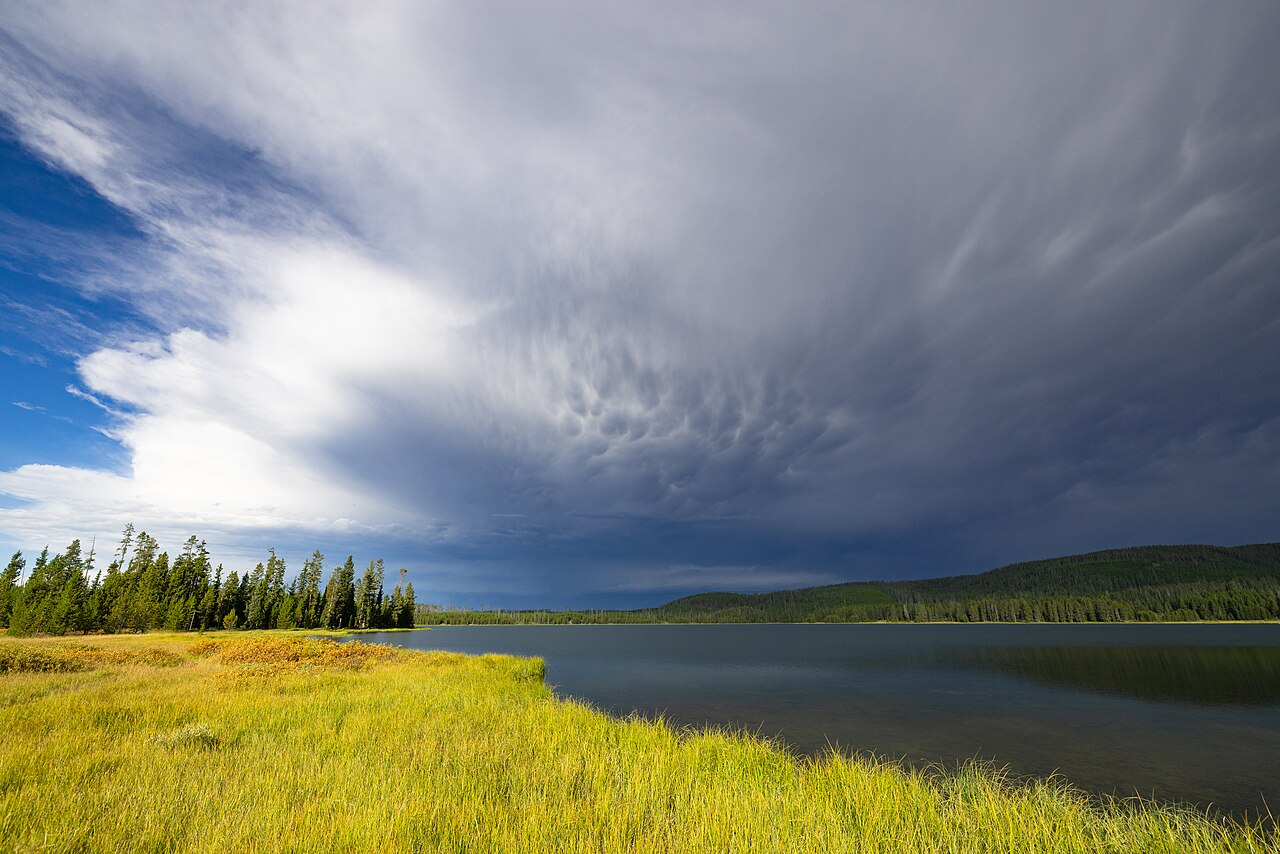
If the pressure itself does almost nothing, why does the pattern keep showing up in angler after angler, year after year? Because pressure is the trailer for the weather that does matter, and Manns's own data shows it. Bass in his study fed under overcast skies 42 percent of the time, against 28 percent under clear skies. Clouds cut the light, and low light is when bass hunt. Wind pushes baitfish toward the downwind bank, and bass follow the baitfish. The barometer is just the earliest warning that the real conditions are about to change.
That also explains the part of the pattern anglers argue about most. The day after a front is usually the worst day, not because the pressure number is high but because the sky is clear, the wind has died, and the sun is straight overhead. Bass slide deep and tight to cover. Give it a day or two of steady pressure and the fishing normalizes, because steady weather means the fish have settled into a routine again. Anglers who log their trips report the same arc: the first day of high pressure is the tough one, and by a day or two in, the bite is back to normal.
Fishing the four pressure scenarios
Falling pressure, before the front. This is the window everyone talks about, and for good reason. The best feeding usually lands 12 to 24 hours before the front arrives, with the sharpest burst in the last couple of hours as the storm closes in. Fish fast and cover water: spinnerbaits, chatterbaits, crankbaits, and topwater on windblown banks and points. The fish are up shallow and willing to chase. Get off the water before the lightning arrives. No fish is worth a strike, and the guides who chase this window hardest are the same ones who leave early.
Low pressure, during the storm. Steady low pressure with rain and wind can keep fishing well, especially in shallow water where the weather reaches the fish fastest. The same moving baits work. The practical limit is safety and comfort, not the bite.
Rising pressure, right after the front. The toughest scenario, and the one that fills forums with complaints. The sky clears, the wind drops, the temperature often dips, and bass pull tight to wood, brush, and docks or slide deeper. Slow down and shrink down: a Ned rig (a small soft-plastic bait on a light mushroom-shaped jig head, fished nearly still on the bottom), a drop shot, or a shaky head, fished dead slow right against the cover. Fish the shade side of docks and the deep side of laydowns.
High and steady pressure. Better than its reputation. Once the pressure has sat high and flat for a couple of days, bass settle back into feeding. Fish deep structure, 15 to 30 feet, where bait balls up, and fish it with finesse. Anglers who keep logs catch plenty of fish above 30.00 inHg, just fewer of them than on falling days, and some prefer high-pressure fall and winter days because the bait stacks deep in one predictable place. The worst high-pressure day is the first one. The third one fishes fine.
How to actually use the barometer
Watch the trend, not the number. A falling barometer at 30.10 beats a steady one at 29.90. Check the 12-hour and 24-hour change, not the reading at this minute. Most weather apps graph it, and the slope of that line is the useful part.
Pair it with wind and clouds. Pressure plus a 10-mile-per-hour wind on a cloudy day is a fishing day. Pressure plus dead calm and a hard blue sky is a finesse day. The barometer is one dial on a dashboard that also has wind, light, and water temperature, and the other dials matter more. Our guide to the biggest dial of all is Water Temperature Guide: What Bass Do at Every Temp.
Use it to plan, not to cancel. A falling barometer is a reason to move a trip earlier or stay an extra hour. It is not a reason to fish only when the number looks right, and a high barometer is never a reason to stay home. The anglers who catch the most fish on high-pressure days are the ones who showed up, slowed down, and fished the cover. If you only fish falling pressure, you miss most of the days available to you.
Mind the season. The pattern flips in spring. A low-pressure system in April often drags cold air behind it, and a cold snap shuts bass down harder than the falling barometer helps them. In summer, the same setup is the feeding window many anglers plan their trips around. Cold water plus falling pressure is a different fish from warm water plus falling pressure, and the calendar matters as much as the gauge.
Mistakes that cost fish
Treating the number as magic. The barometer does not make fish bite; clouds, wind, and light do. Anglers who chase the number and ignore the sky end up fishing the right pressure on the wrong day.
Staying home on high pressure. The post-front funk is real, but it lasts a day or two, and the fish are still in the lake. Slow down, fish tight to cover, and downsize. Our full guide to the season around the front is Fall Bass Fishing: How Cooling Water Changes Everything.
Fishing the storm itself. The feeding window closes when the lightning starts. Watch the radar as well as the barometer, and have a plan for getting off the water fast.
Reading raw pressure at elevation. If your gauge reads 25.00 and your buddy at the coast reads 30.10, you are probably looking at the same weather. Compare corrected pressure, or compare each place against its own normal.
The bottom line
Barometric pressure is the most argued-over number in bass fishing, and both sides have a point. The skeptics are right that the pressure itself barely touches a fish, and a foot of depth change outweighs any front. The believers are right that the bite changes with the barometer, because the barometer predicts the clouds, wind, and light that actually move bass. Read it as a forecast. Fish hard and fast while it falls, slow down and fish tight when it rises, and never let the number talk you out of a day on the water.