The fish you never see again
Catch and release has a hidden failure mode. A bass can swim off like nothing happened and die days later from a dislocated jaw, a stripped slime coat, or a fight that went on too long in warm water. One estimate puts post-release mortality around one in eleven bass, and because you never get the feedback, the fish just never shows up again.
That is what this guide is for. The advice below is what experienced anglers, tournament hands, and fisheries biologists keep recommending independently.
Wet your hands first
A fish's slime coat is its first line of defense. That thin mucus layer is a barrier against infection and parasites, and dry hands strip it off on contact. So do dry towels, boat carpet, the ground, and knotted nylon nets. Sunscreen breaks it down too. The rule is simple and universal: wet your hands before you touch the fish.
A bass's lower jaw is lined with sandpaper teeth that shred thumbs over a long day, and open wounds plus warm lake water is a real infection risk for you. Wet hands protect both of you.
Keep the fish in the water
Air exposure is the fastest way to weaken a caught bass. Unhook the fish in the water or inside a low-held net, keeping it over the surface so a slip drops it back into the lake rather than onto the deck. The old hold-your-breath rule works well: when you run out of air, so has the fish.
Photo sessions cause most unnecessary air exposure. Have the camera, scale, and measuring board ready before the fish comes up, not after. Our Best Measuring Boards & Fish Grips covers the boards that work one-handed at the gunwale. Keep the fish's air time for a photo to a few seconds, then get it back in the water. Taking multiple photo angles extends handling time and raises post-release mortality.
Tools ready before the first cast
Nothing here works if your pliers are buried in a tackle compartment. Long needle-nose pliers, hemostats (locking forceps that grip small hooks), or a dehooker should ride on your belt or vest on a retractable holder, ready before the first cast.
Two rules from the pros. First, unload the rod before you grab anything: a bent rod with a hooked fish is a loaded spring, and it will fire the lure back at you the moment the fish thrashes. Second, never use your fingers on treble hooks. The rule for trebles is simple: always use needle-nose pliers. For a crankbait, grab the lure by the bill or the line tie (the one spot the hooks cannot reach), pin it still, and let the pliers work. The forums are full of emergency-room stories from anglers who skipped this step.
The deep hook
Slow presentations (wacky rigs, live bait, plastics fished on a slack line) get swallowed deep more often than anything else. If the hook is in the throat, do not dig for it. Ripping at a deep hook tears tissue and blood vessels, and bass carry very little blood: a gill or throat bleed is usually fatal.
If you can back the hook out cleanly, take it. The through-the-gills method works for experienced hands: leave the line attached, feed it through the gill opening, grip the hook bend with long thin pliers, and twist the hook out the way it went in. Wire cutters on the shank is the other route. If the hook is buried where you can't reach it without digging, cut the line right at the hook eye and let the fish go: digging for a hook kills more fish than the hook itself, and a swallowed hook does not dissolve, so a clean cut beats a bloody extraction.
The hook will not dissolve. Modern bass hooks are high-carbon steel alloys coated in nickel or PTFE: they don't rust out quickly the way untreated plain steel used to. Anglers have recaptured bass carrying a fully swallowed crankbait for two months, hooks as good as new. A fish released with a hook in its throat or belly is very likely a dead fish eventually.
A bass that is bleeding heavily or clearly not going to make it should be kept, if the size and regulations allow it. Releasing a doomed fish helps no one.
Barbless hooks: the unhooking accelerator
Crimping the barbs is one of the most effective equipment changes you can make for catch and release. Crimping the barbs (or buying barbless) makes every unhooking faster, which is the whole game: less handling time, less tissue damage, less air. Our Best Fishing Hooks for Bass covers which hooks crimp cleanly.
Be clear-eyed about what barbless does and does not do. Studies find little to no difference in post-release mortality. What changes is the handling: barbed hooks cause up to twice the tissue damage and take about 20 percent longer to remove. You may lose around 10 percent more fish on the fight. For bass fishing, that is a fine trade most days. The exceptions are frogging and punching heavy mats, where the barb keeps the hook from sliding back through cover.
How to hold the fish
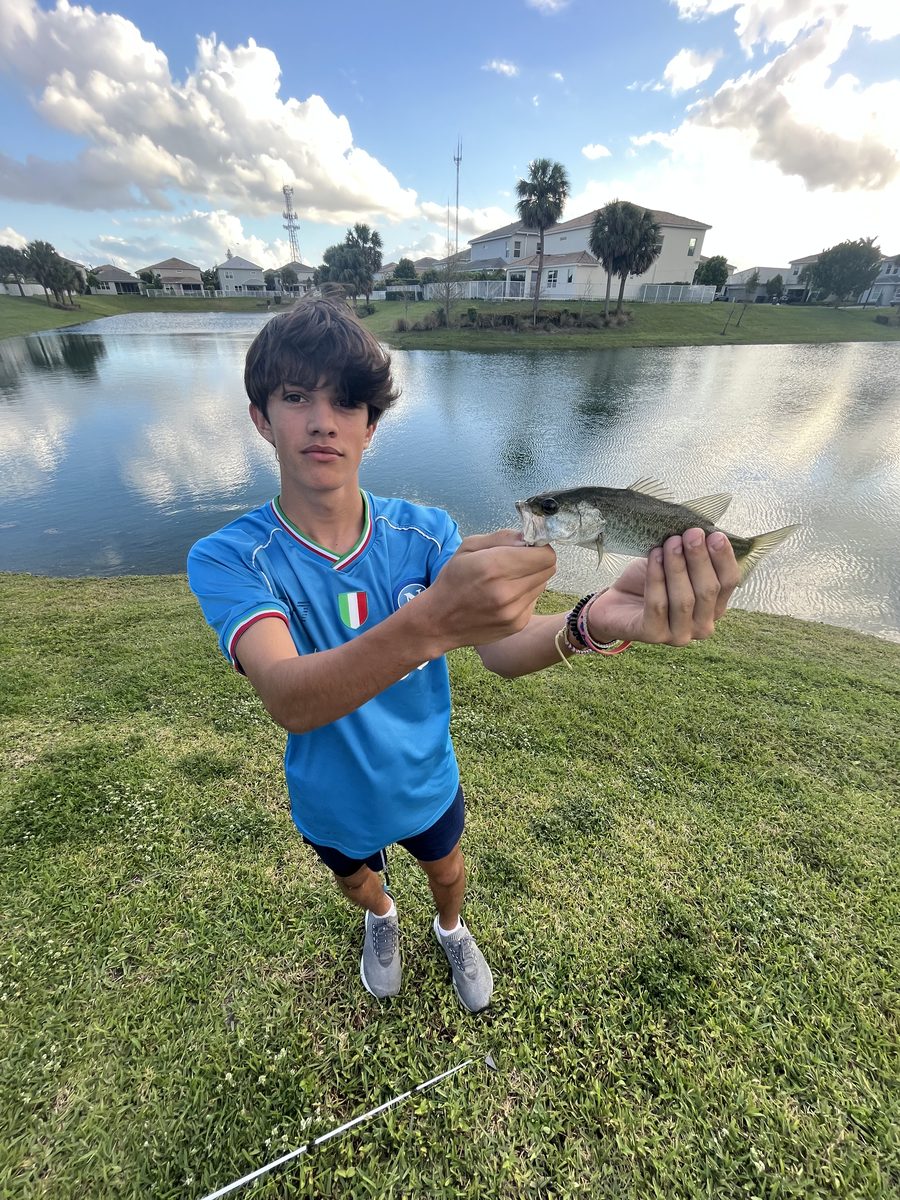
Slide your thumb into the lower jaw and lay your fingers straight along the outside. Do not roll your fingers in under the jaw: that forces the mouth wider than it wants to go and strains the joint. For a treble-hooked fish, use the belly grab: slide your hand from the head back, press the dorsal fin flat, and grip firmly and deliberately. Hesitation is what gets you hooked.
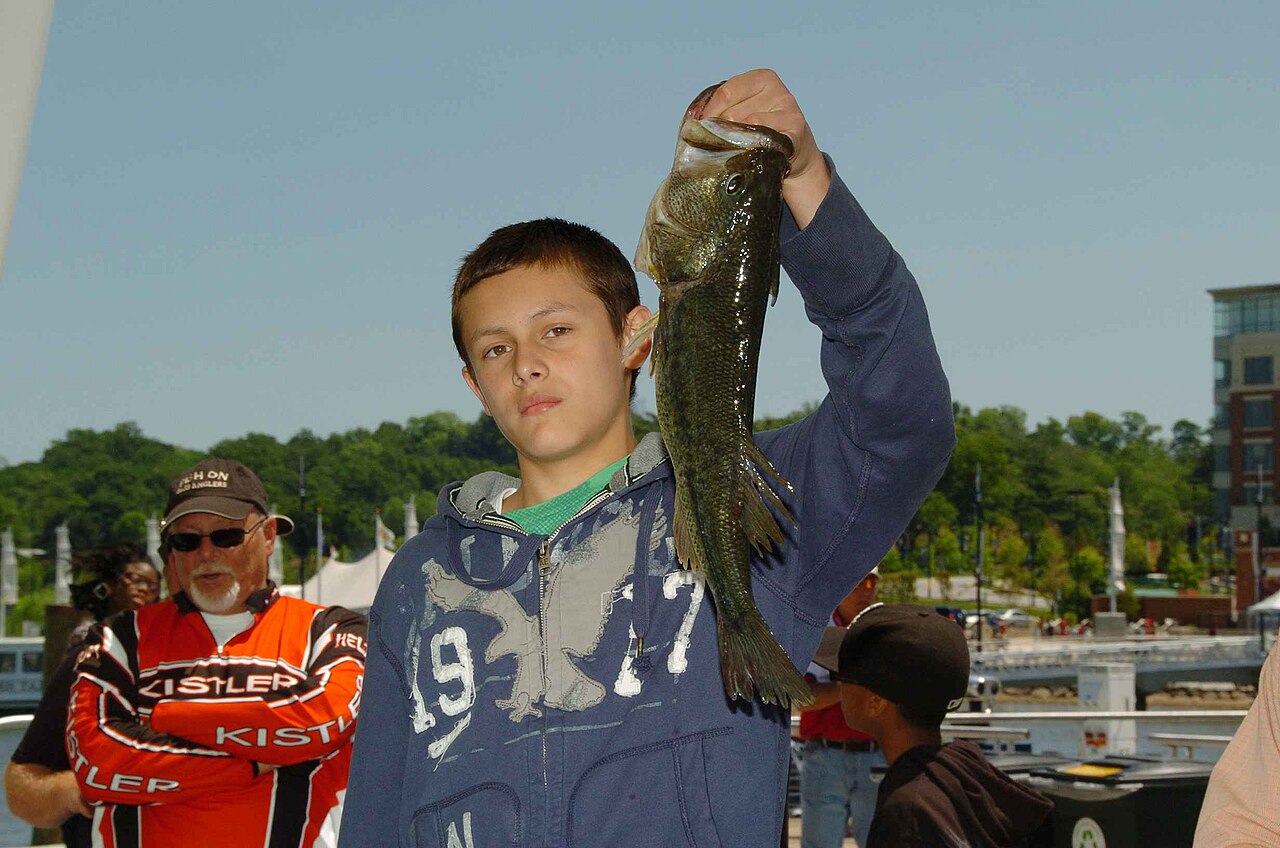
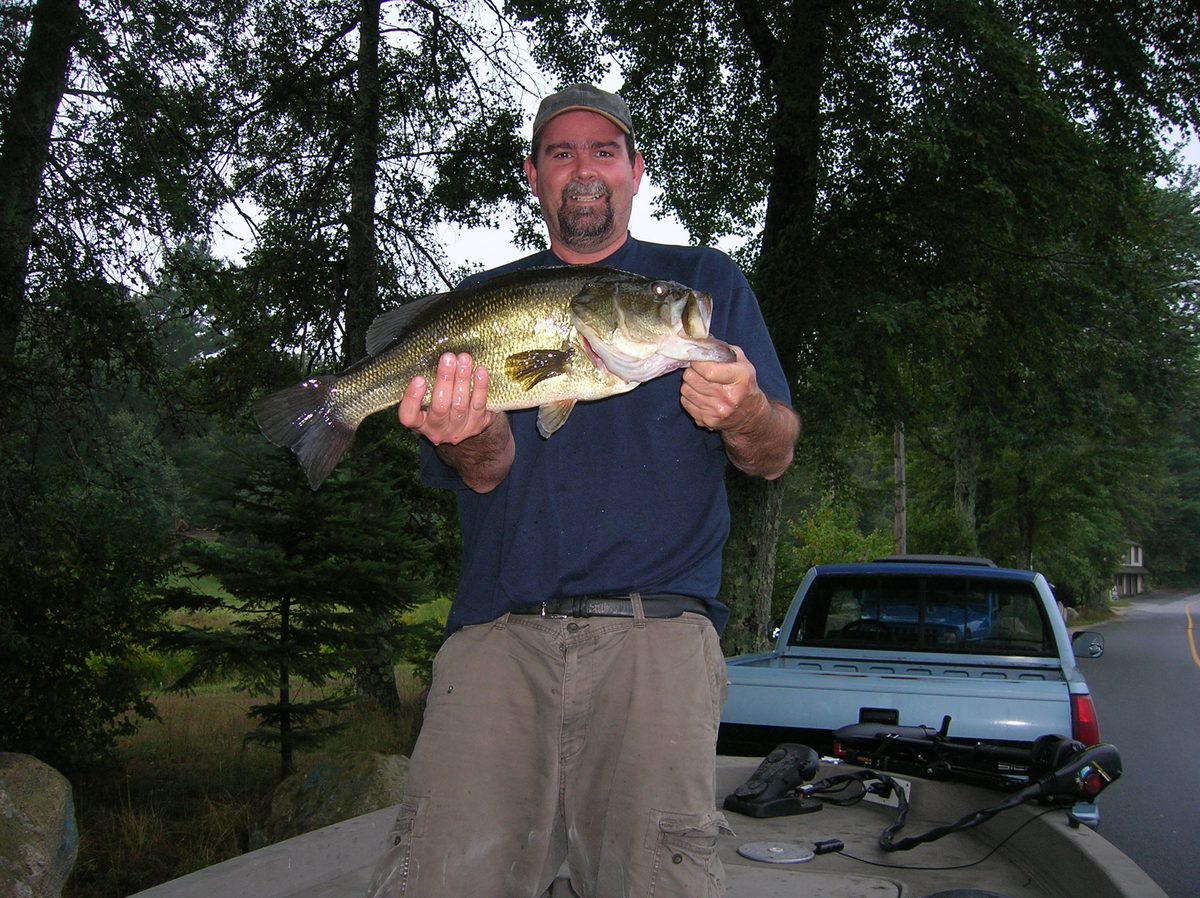
Big bass get two hands. Over about 3 pounds, hold the fish horizontally with one hand on the jaw and the other supporting the belly, body level for photos. The Texas Parks & Wildlife Department has necropsied trophy bass with jaws broken by one-handed horizontal holds. It takes a lot of weight to snap a jaw outright, but forcing it past its natural full-open position strains tissue long before it breaks. The phrase that repeats across the forums is "they swim off fine and die later." A fish that starves because its jaw no longer works is still a dead fish.
Fisheries scientists tested the holds directly. In the Florida FWC and University of Florida handling study, a two-handed horizontal hold was the gentlest on the fish. A one-hand tilted hold caused major jaw readjustments in many fish. Vertical jaw holds were acceptable for small bass but took the longest to recover from. And sores, inflamed mouths, and lesions were still visible on handled fish thirty days later. Handle gently even when the fish looks tough.
What not to do: never squeeze the fish, especially behind the gills (you can damage internal organs), never put fingers inside the gill plate, and never touch the gills or eyes. Cradle the fish; do not compress it.
Nets and grippers
If you net the fish, make it a rubber or rubber-coated knotless net. Knotted nylon strips slime, and treble hooks turn a nylon net into a five-minute untangling session with the fish still thrashing in it. Unhook the fish before you deal with the hooks in the net. Our Best Landing Nets covers the fish-friendly options.
Lip grippers (the Boga Grip and its imitators) are standard safety gear for treble lures and kayak fishing, where one slip means hooks in a hand you need for the paddle home. Hold the fish vertical or keep it in the water, never sideways, and tie a cord from the gripper to your belt so a thrashing fish does not swim off wearing it. Used sideways, a gripper applies the same jaw torque as a bad one-handed hold.
The release
Land the fish quickly in the first place. A long fight in warm water builds up lactic acid that can kill the fish hours after a perfect release. If the fish is tired, hold it upright in the water, nose into the current or easing it forward, until it kicks away on its own. Forward motion only: pumping the fish backward bends the gill filaments. Watch the pectoral fins: when they start moving, the fish is coming back. Never toss it.
The mistakes that kill the most fish
- Dry hands or a dry surface. The slime coat is the fish's immune system; do not strip it off.
- The long photo session. Prep everything first, keep air time to a few seconds.
- One hand, horizontal, on a heavy fish. Support the belly or hold it vertical and brief.
- Digging at a deep hook. Back it out if you can, cut the shank if you must, cut the line last. Never tear.
- Swishing a tired fish back and forth. Forward motion only when reviving.
- The knee hold. Pinning a fish between your knees scrubs the slime coat off both sides.
- Playing the fish to exhaustion in warm water. A long fight burns a bass's energy reserves and leaves acid built up in its muscles.
- Believing the hook will dissolve. It will not. A swallowed hook the fish can't shed is usually fatal over time.
The bottom line
Catch and release works when the whole sequence is fast, wet, and gentle: wet hands, tools ready before you cast, unhook in the water, grip the jaw right and support the belly on big fish, revive forward, and release on the fish's schedule. The report card is the bass you catch again next year, a little bigger and no worse for meeting you.