
The short answer
Buy the spinning reel. This is one of the clearest consensuses in fishing: across forums, videos, and tackle blogs, the answer comes back the same way again and again. Start spinning, learn to cast, catch fish, and add a baitcaster when your fishing demands it.
The reason is the backlash. A baitcaster's spool spins freely during the cast, and if the spool outruns the line leaving it, the line tangles into a bird's nest. Every beginner does this. It is not a matter of talent; it is physics, and a spinning reel sidesteps it entirely.
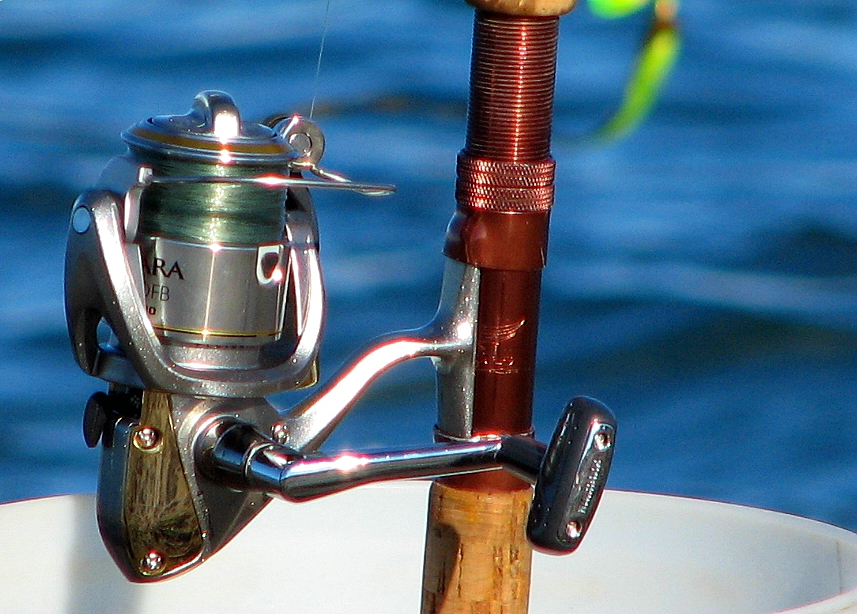
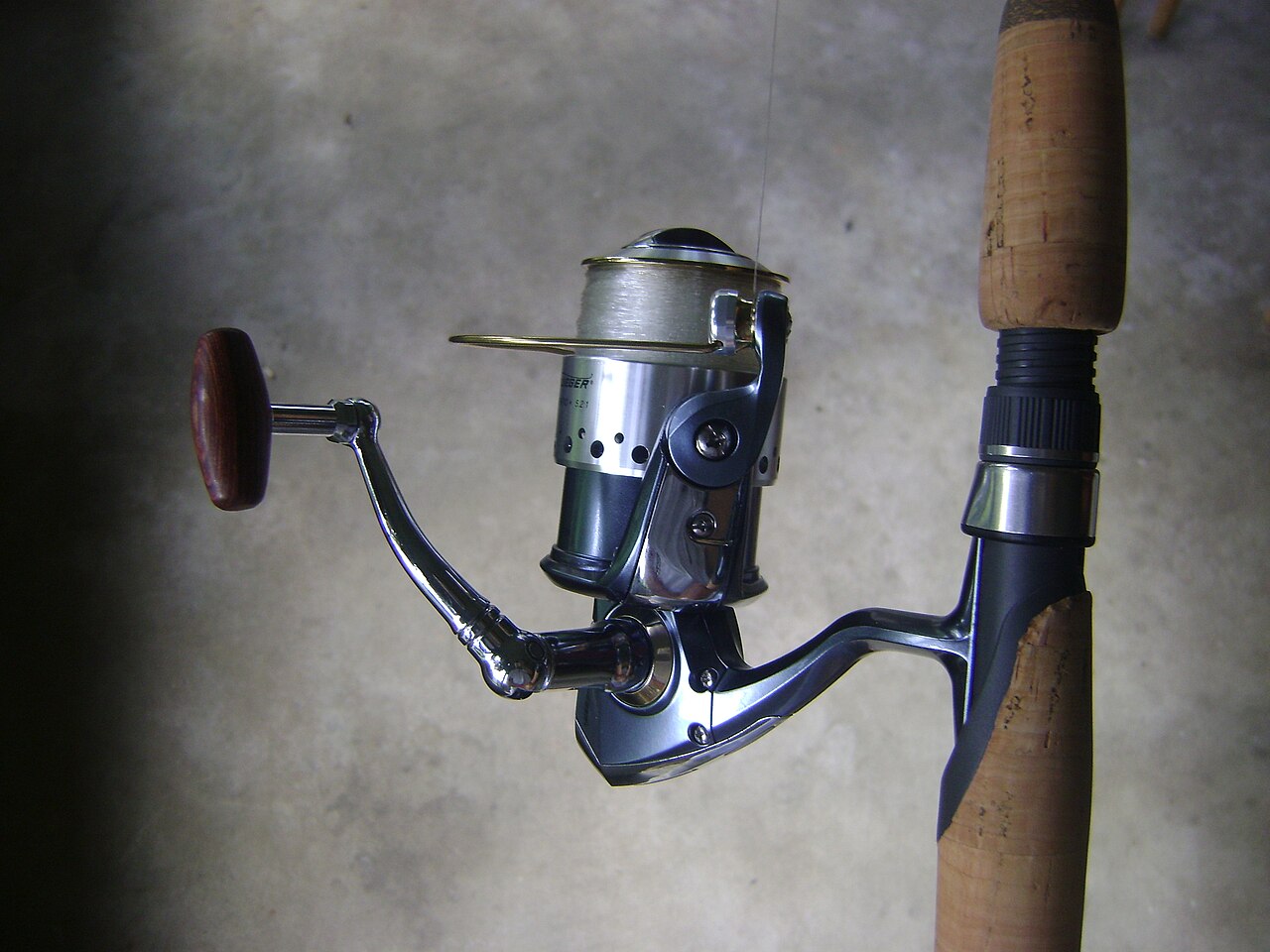
A spinning reel has no rotating spool. The line peels off the end of a fixed spool, so it cannot overrun and tangle the same way. Flip the bail, cast, and you are fishing. One veteran put it plainly: with a spinning rig, a beginner is actually fishing within minutes. Our Best Budget Spinning Reels Under $100 (2026) has the current standouts if you want a specific reel.
Why spinning wins the beginner years
The backlash is the whole story, but not the only one. Spinning reels throw light lures that baitcasters simply cannot. A weightless worm, a dropshot rig, a Ned rig, a 1/8-ounce jighead: under about a quarter ounce, a baitcaster cannot pull line off the spool fast enough, and the cast falls short. Spinning handles those lures without thinking. Since most beginners fish light plastics around ponds and lakes, that matters from the first trip.
Wind is the other quiet advantage. Casting a baitcaster into the wind asks the spool to outrun the line, which is exactly what causes a backlash. A spinning reel casts into the wind without the spool-overrun problem. (Spinning gear can still get wind knots, but that is a line-management problem with a spooling fix, not a casting problem. See How to Spool a Spinning Reel Without Line Twist.)
And there is a money angle. A decent spinning reel costs little, and a cheap one still fishes fine. A cheap baitcaster is a worse teacher: weak braking makes backlashes more frequent and more brutal. Three separate forum threads said some version of the same thing. Buy a cheap spinning reel, sure. Do not learn on a junk baitcaster.
What the baitcaster actually does better
Spinning gear has clear limits. The baitcaster has real, earned advantages, and they show up the moment you fish heavier lures or tighter cover.
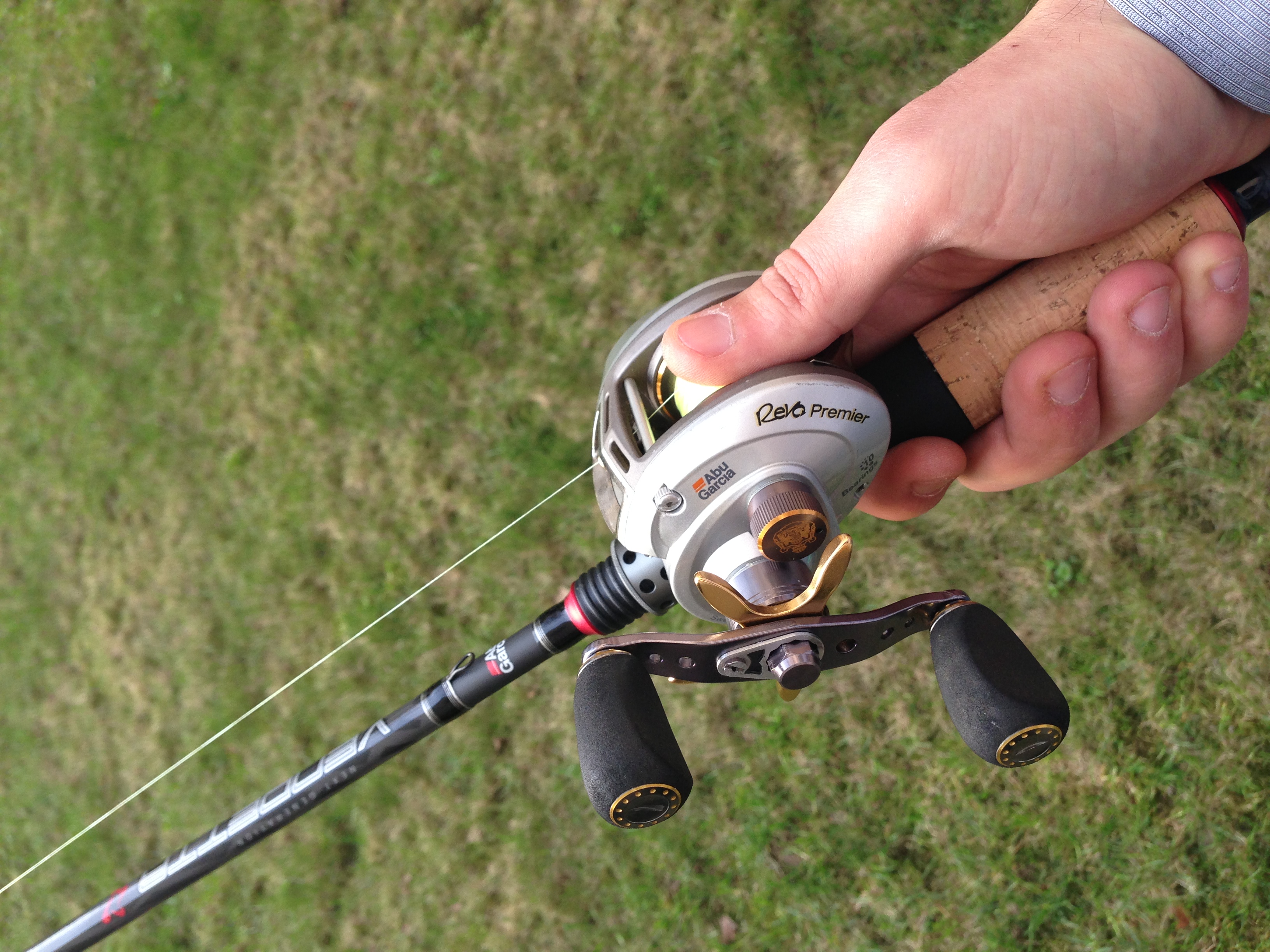
First, accuracy and control. Because the spool spins with the line, your thumb can slow or stop a cast mid-flight. You can feather a jig under a dock or check a frog short of a laydown in a way a spinning reel cannot match. That control is why experienced anglers reach for baitcasters for pitching and flipping around cover, and for frogs over mats.
Second, power. Baitcasters handle heavy line and heavy lures without complaint: flipping jigs, deep crankbaits, Carolina rigs dragged through rock. They sit atop the rod, which balances better with stout rods and keeps the rod from twisting in your grip.
Third, speed. One-handed casts, faster retrieves, and quick follow-up casts to cover. When you are working down a bank, that pace adds up. As one kayak angler framed the working map: spinning reels for light lures and weightless baits, baitcasters for everything else. Most anglers who have fished both for years end up owning both and swapping by the hour.
The case for baitcaster first (it exists, barely)
A minority of anglers say a beginner can start on a baitcaster and be fine. They are not wrong exactly, but their conditions tell the story: you need prior casting experience, a mentor, or real patience with yard practice. One beginner learned a baitcaster as his first-ever reel and got to mostly clean casts within weeks. Another prepared for weeks, took coaching from a forum thread, and was competent in a single outing, but still fell back to his spinning reel mid-session when the backlashes hit.
The strongest cautionary tale comes from an angler who bought a baitcaster, never set it up right, hated it, and used it two or three times in five years. His catch rate stayed far better on spinning the whole time. Baitcasting is a skill; spinning is a tool. Skills take time. If your goal is to catch fish this weekend, take the tool.
When to add the baitcaster
Do not add it by the calendar. Add it by the technique. The triggers experienced anglers name, over and over:
- You are flipping or pitching into cover and want the lure to enter the water quietly, on a controlled arc.
- You are throwing frogs, heavy jigs, or swimbaits, and the spinning rod feels underpowered.
- You find yourself wanting to stop a cast short or feather it under a dock, and the spinning reel cannot do it.
- You are tired of line twist and want a reel where the line feeds off a rotating spool.
That last one cuts both ways. Spinning reels do twist line, and baitcasters do not. But learning to manage a baitcaster is its own project, so do not switch to escape one problem and inherit another.
When you buy, spend the money once. The cheap-baitcaster warning applies double at purchase time: a mid-priced reel with good magnetic or centrifugal brakes is dramatically easier to learn on than a bargain reel. Our Best Baitcasting Reels Under $100 (2026) has the current picks.
How to learn a baitcaster without constant backlashes
When the day comes, the learning protocol is well settled. Set the brakes high and the spool tension snug, then loosen both as you improve. Use mono, not braid: braid backlashes are expensive to cut out, and 10 to 14 pound mono is the economic learning line. Practice in the yard with a hook-free plug or a half-ounce weight, aiming at a bucket or a hula hoop. Thumb the spool just before the lure lands, not at the splash, and keep casts short and controlled at first. Cap the damage a backlash can do: cast out a normal casting distance in the yard, stick a strip of electrical tape across the exposed spool, then reel your line back over it. A bad overrun can only nest in the line above the tape.
And stop fearing the backlash. Pros backlash. For a mild overrun, the fast fix is to reel over it and cast again. For a real bird's nest, pull the loose loops out past the tangle before you cast, or press your thumb on the spool and pull the mainline free. It is a cost of learning, not a verdict on your ability.
The bottom line
Buy the spinning reel first. Fish it hard. When your fishing starts asking for accuracy around cover, or heavier lures than spinning handles well, buy a baitcaster with decent brakes and learn it in the yard. Nearly everyone ends up with both. The order is what matters, and the order is clear.